
El seguimiento rutinario no suele conllevar revelaciones impactantes. agua azul baltimore, En [ubicación], sede del proyecto Baltimore Harbor Waterkeeper, se recolectan, analizan y registran muestras de agua semana tras semana, como parte de un esfuerzo constante por comprender la salud a largo plazo de un curso de agua. A lo largo del río Patapsco, este trabajo es esencial, aunque a menudo transcurre sin incidentes, ya que está diseñado para establecer una línea de base en lugar de detectar una crisis. Sin embargo, de vez en cuando, esos datos revelan una historia diferente, una que exige atención y acción, mucho más allá de lo que se espera de una muestra de rutina.
El problema
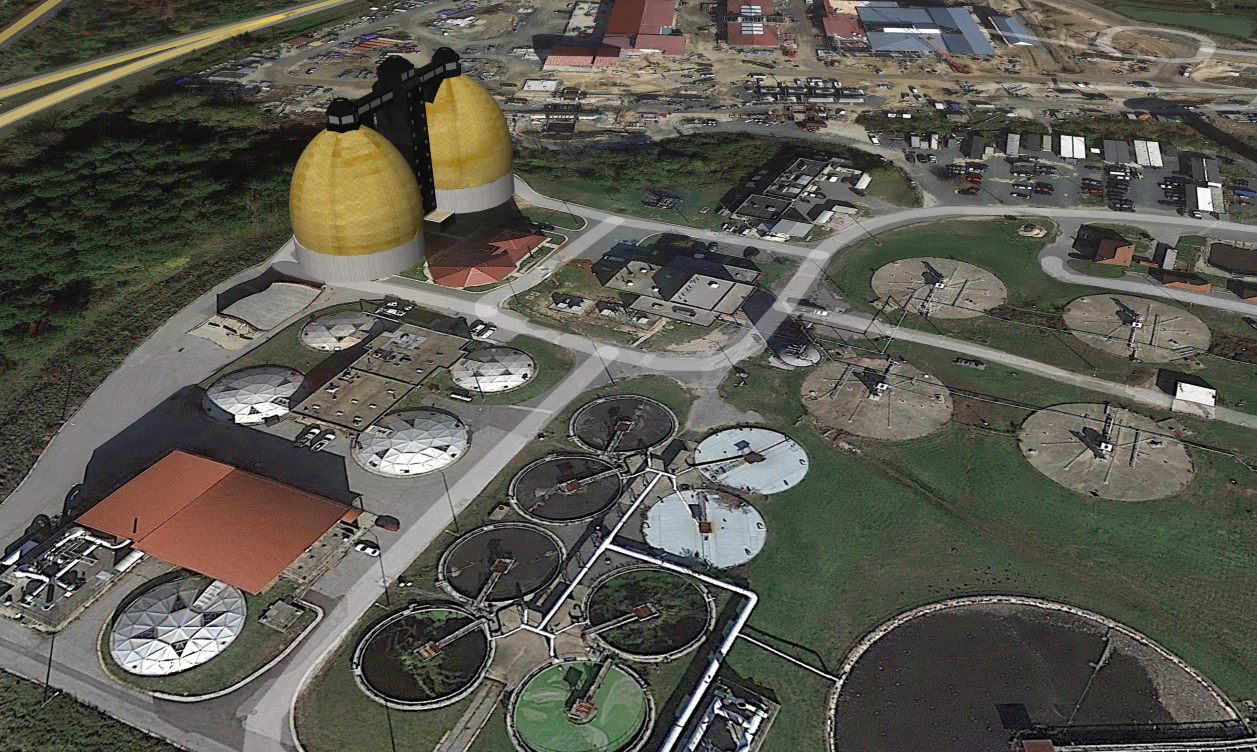
El programa de monitoreo vela tanto por las personas como por los delicados ecosistemas que dependen del agua limpia. En abril de 2021, durante el muestreo de rutina, El equipo de Blue Water Baltimore descubrió niveles alarmantemente altos de bacterias. En una de las muestras de marea recogidas cerca del tubo de descarga de la planta de tratamiento de aguas residuales de Patapsco, se detectó contaminación. El problema no terminó ahí: en la superficie del agua, por encima del tubo, el río presentaba contaminación visible, con manchas de grasas y aceites que se desplazaban hacia la bahía de Chesapeake. Esto generó gran preocupación.
Las plantas de tratamiento de aguas residuales están diseñadas para prevenir precisamente este tipo de contaminación. Cuando fallan, las consecuencias pueden extenderse mucho más allá de un único punto de muestreo, lo que supone una amenaza para la salud pública y el ecosistema en general.
Recopilación de datos
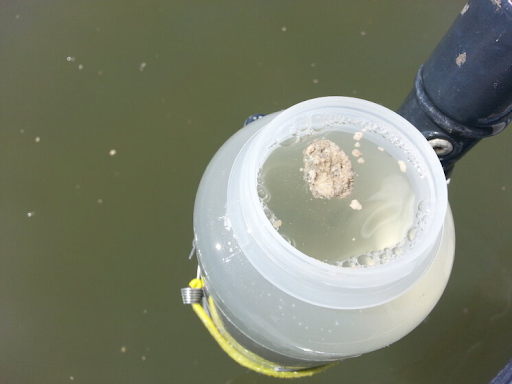
Para comprender lo que sucedía, el equipo recurrió a una combinación de recolección de datos rutinaria y específica. Se tomaron muestras puntuales para medir los niveles de bacterias y nutrientes, mientras que un dispositivo Hydrolab registró indicadores clave como la temperatura, el pH, el oxígeno disuelto, la conductividad y la presencia de fitoplancton. La claridad del agua se midió con un disco Secchi.
Este enfoque de monitoreo constante y multiparamétrico fue lo que permitió al equipo detectar que algo no andaba bien. Los muestreos repetidos mostraron niveles bacterianos consistentemente altos, fuera de lo normal para este sitio. Dado que las condiciones de referencia ya se habían establecido mediante muestreos regulares desde abril hasta mediados de noviembre durante los ocho años anteriores, el aumento repentino en los niveles bacterianos destacó claramente, no como una anomalía puntual, sino como una señal de alerta que justificaba una investigación más profunda.
El punto de inflexión
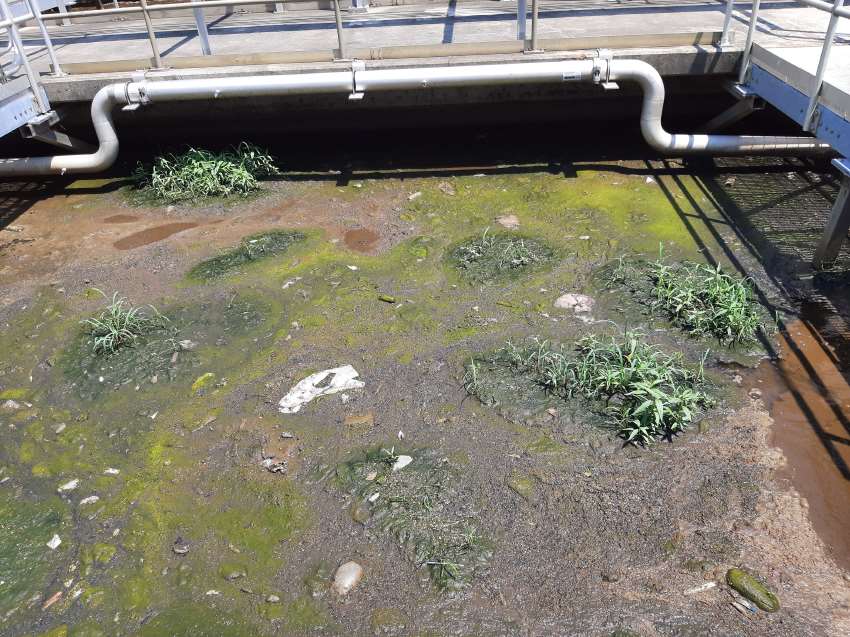
Cuando las muestras de seguimiento tomadas dos semanas después, en mayo de 2021, mostraron niveles bacterianos igualmente elevados, quedó claro que no se trataba de un problema aislado. Blue Water Baltimore informó de los hallazgos al Departamento de Medio Ambiente (MDE) de inmediato. Lo que sucedió a continuación reveló un problema mucho mayor.
El MDE realizó una inspección el 6 de mayo de 2021 y la agencia identificó fallas graves y generalizadas en la planta de tratamiento de aguas residuales de Patapsco. Determinaron que la descarga parcialmente sin tratar fue causada por deficiencias a largo plazo en las operaciones y el mantenimiento, las cuales se agravaron con el tiempo. Estas infracciones fueron tan graves que motivaron una investigación más profunda sobre la otra planta de tratamiento de aguas residuales principal, propiedad de la ciudad de Baltimore. En agosto, los inspectores centraron su atención en la planta de tratamiento de aguas residuales de Back River, la instalación de tratamiento de aguas residuales más grande de Maryland, diseñada para procesar aproximadamente 180 millones de galones por día y dar servicio a cerca de 1.3 millones de residentes en un área de 140 millas cuadradas de la ciudad y el condado de Baltimore.
Allí encontraron fallas similares. En 2021, la planta no había tratado adecuadamente las aguas residuales entrantes, lo que agravó la magnitud del problema. Lo que comenzó como un monitoreo rutinario había revelado una falla sistémica que afectaba a múltiples componentes críticos de la infraestructura.
Más tarde, ese mismo invierno, el 15 de diciembre de 2021, Blue Water Baltimore, representada por Chesapeake Legal Alliance, presentó una demanda contra la ciudad por la constante contaminación proveniente de las plantas de tratamiento de aguas residuales de Back River y Patapsco.
El resultado
En noviembre de 2023, los descubrimientos, las demandas y la protesta pública culminaron en un decreto de consentimiento legalmente vinculante que responsabiliza a la ciudad por las infracciones pasadas y establece un plan aplicable para el futuro. Los componentes clave de dicho decreto de consentimiento incluyen:
- Supervisión por terceros a cargo de empresas de ingeniería cualificadas y con licencia.,
- Mayor transparencia mediante informes trimestrales sobre el estado del proyecto y reuniones públicas anuales.,
- Notificaciones públicas y señalización adicionales que alertan al público cuando hay problemas y desvíos en las plantas de tratamiento de aguas residuales,
- Una multa de $4,75 millones, incluidos $1,9 millones reservados para un Proyecto Ambiental Suplementario en forma de subvenciones comunitarias que ayudan a abordar los daños causados e invertir en esfuerzos de restauración locales,
- Se estipularon sanciones para garantizar que la instalación vuelva a funcionar lo antes posible, y
- Una lista exhaustiva de proyectos, medidas correctivas y reparaciones y mejoras de equipos que se implementarán en cada una de las instalaciones.
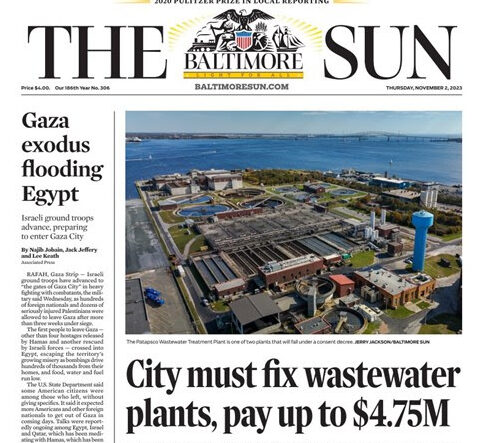
El impacto de este acuerdo se extiende a millones de personas que viven cerca, trabajan y realizan actividades recreativas en los ríos Patapsco y Back, así como en el ecosistema más amplio de la bahía de Chesapeake, al que desembocan. Se trata de uno de los acuerdos ambientales más importantes en la historia de Maryland, lo que demuestra la eficacia del monitoreo rutinario de la calidad del agua para descubrir fallas ocultas y exigir responsabilidades a los contaminadores.
Sin esta recopilación sistemática de datos, el deterioro de las condiciones en estas plantas de tratamiento podría haber pasado desapercibido durante mucho más tiempo. En cambio, la ciencia proporcionó la evidencia necesaria para impulsar la acción, reforzando la idea de que el monitoreo, la presentación de informes, la participación comunitaria y la aplicación de la ley funcionan conjuntamente como un sistema fundamental de rendición de cuentas para proteger el derecho de todos al agua potable.
¿Quieres profundizar más? Visita los siguientes enlaces:
HISTORIA 1: Aguas residuales sin tratar (Puerto de Baltimore – Río Back) – Manual de la CWA
Resultados sobre agua potable: BWB vs. Ciudad de Baltimore – Blue Water Baltimore
Informe anual de Blue Water Baltimore 2025
Informe de evaluación de la calidad del agua de Blue Water Baltimore para 2025 – Vídeo

 ES
ES  EN
EN