
Message from Executive Director Leda Huta
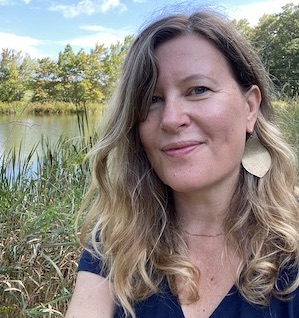 Our most precious resource—water—is rarely treated as one. Since the Clean Water Act passed in 1972, we’ve come a long way from the days we dumped industrial waste and raw sewage into our waterways — most of the time. Still, there is much work to do. Extreme storms and flooding pollute our waters, destroy property and harm people. Aging and leaking infrastructure dump raw sewage — killing fish and preventing people from swimming.
We all need warriors out there fighting for all of us and with us to make sure that we have clean water. Since joining Waterkeepers Chesapeake just a few short weeks ago, I was lucky enough to participate in our annual retreat. It brought all of the Waterkeepers of the Chesapeake and coastal bays region together. It was impressive to have so much passion, wisdom, and commitment in one room. It was also hard to hear about the endless ways we harm our streams, rivers, and wetlands. PFAS, coal ash, pesticides, raw sewage, and even straight-up vinegar—a new one for me—had found its way into our local rivers and streams. Wildlife is dying and people are getting seriously ill.
That is why I am so excited to serve Waterkeepers Chesapeake as their new Executive Director. Each Waterkeeper is a powerhouse in their own right. Yet, working together, we have the potential to create an even more powerful wave of impact. People who work in policy call that “collective impact.” And I am thrilled by the opportunity to work on reaching the full potential of our collective impact. I believe that power grows as it is shared. And if we’re rowing in the same direction—learning, sharing, collaborating, and strategizing together—we’ll have the greatest power, the biggest collective impact, and the cleanest watershed.
Opportunities for Building a Just, Water & Climate-Friendly Farm System
 The 2022 Inflation Reduction Act (IRA), and this year’s Farm Bill renewal are opportunities for building a farm system that addresses water and climate issues, as well as taking significant steps towards equity for groups historically marginalized and overlooked in government funding and support. In particular, considering the historic discrimination they faced from the USDA, Black farmers deserve fair consideration. For decades, the USDA failed to treat Black farmers fairly when they applied for USDA farm loans – but we may finally have an opportunity to right a historic wrong. The IRA funding and the Farm Bill must be targeted towards attempting to remediate injustices. Read more.
 The Farm Bill funnels nearly $1 trillion dollars into programs that impact the entire farm and food system and the food that we are able to put on the table for our families and children. Also at stake are funds for conservation and pollution prevention practices to protect our farmlands and waterways, vital insurance programs to help farmers and ranchers recover from increasing climate disasters, food security and hunger relief programs for low-income households, healthy food access and more.
Legislators need to hear your voices on the Farm Bill. It is imperative that we continue to organize in order to create an equitable, just, sustainable, healthy and balanced farm and food system for all. We urge you to write to your Senators and ask them to value and support farmer-led water and climate-friendly policies and bills. Our future depends on it.
It’s a Wrap! In Defense of Water Awards & Reception
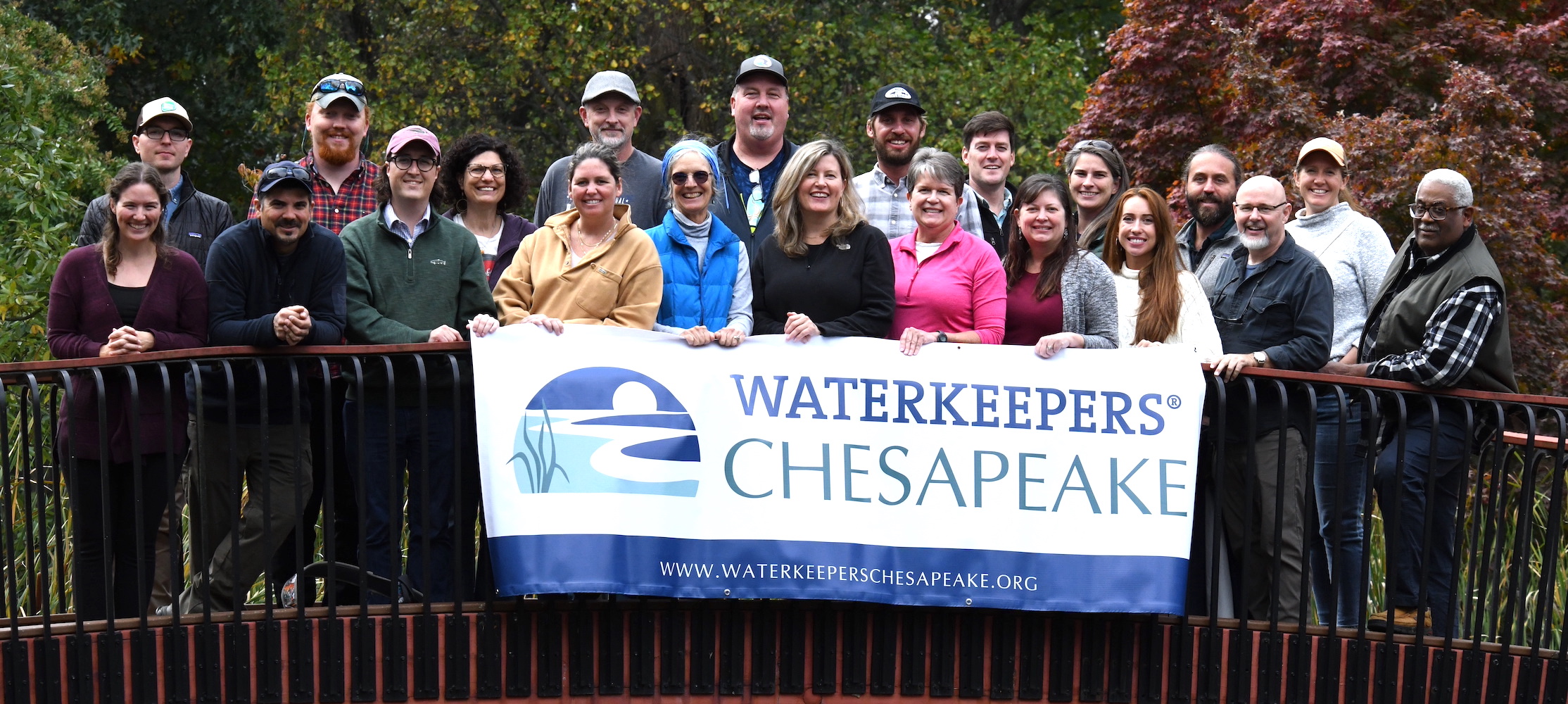
 We had a great time at our In Defense of Water Awards and Reception at Patagonia Baltimore on September 28th. With many of you, we celebrated our clean water successes and honored our Waterkeepers and community members for their outstanding achievements in advancing water and climate justice. For our 10th anniversary, we highlighted our 10 years of harnessing the collective power of our local Waterkeepers to
 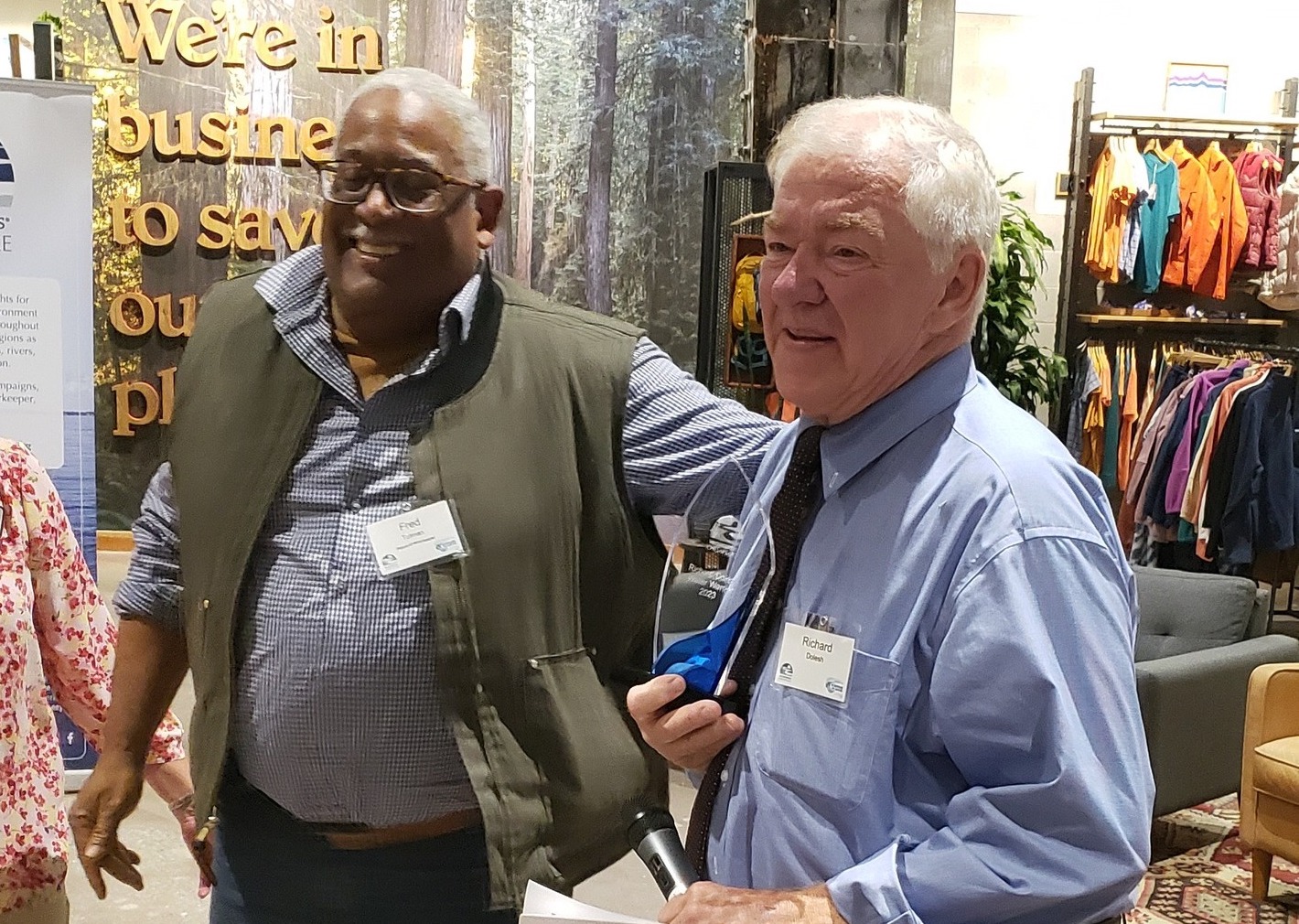 protect clean water and our communities. In addition to our awardees Richard Dolesh and Lower Susquehanna Riverkeeper Ted Evgeniadis, we surprised Betsy Nicholas with an Executive Director Emeritus Award for her stewardship of Waterkeepers Chesapeake for its first ten years. EPA Region 3 Administrator Adam Ortiz for joined us and talked about the importance of partnerships for our clean water work, especially with unlikely allies.
We thank all of our sponsors and Patagonia Baltimore for generously hosting our event at their fabulous new store.
Calling on Federal Employees — It’s CFC Season!
 We’re very happy to be a participating charity in the Combined Federal Campaign (CFC #31891). We invite federal employees and retirees to choose Waterkeepers Chesapeake and make a pledge to support our clean water protection work.
EVERY dollar makes a difference and helps us provide the high-quality support and services our 17 Waterkeeper members need to stay on top of the region’s most pressing clean water issues and pollution threats. Your gift helps us focus on protecting and restoring your local waterways, enforcing clean water laws, and working with our local community partners to increase environmental equity and justice for communities disproportionately impacted by pollution and environmental events.
Clean Water Act Playbook
 We developed the Clean Water Act Playbook for Frontline Communities for communities that have experienced and continue to experience environmental racism. It offers easy online access to the Clean Water Act’s tools and resources to enforce the law when government fails to do so. We invite you to explore the Playbook and share it with groups and communities who could benefit from this open resource.
 EN
EN  ES
ES