
Waterkeepers’ Water Quality Monitoring Provides Critical Public Health Data
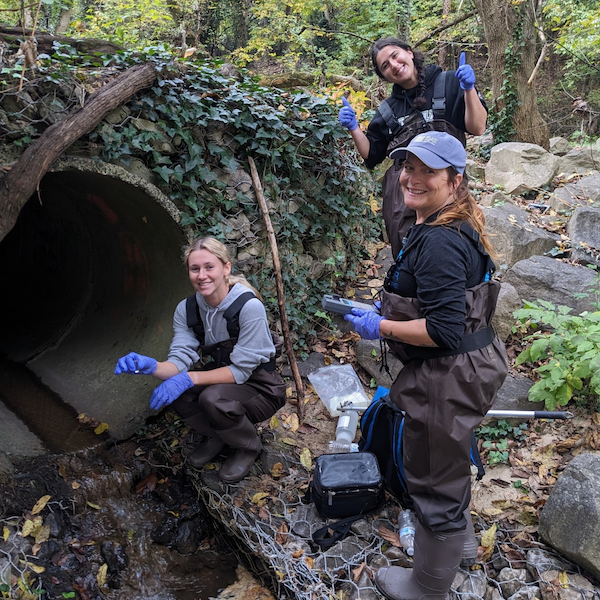 Every year our Waterkeepers collect data on the conditions of our local rivers, streams, and coastal waters. They often sample in areas that public agencies do not monitor, but where people access for fishing and recreation. Waterkeepers compile this information in unique ways to share their findings with their communities, and to encourage people to access and recreate on their local waterways. Waterkeeper water quality monitoring programs provide a valuable public service and critical public health data.
The Waterkeepers’ real-time data and annual analyses show that our local waterways are experiencing intense pollution pressures from fast population growth and development, and intense rainfall and extreme weather due to climate change. More frequent floods devastate our communities, overwhelm water infrastructure, and deliver immense pollution loads to waterways. The data collected are used by Waterkeepers to craft policy to mitigate new pollution pressures, build more resilient communities, reverse environmental injustices, and improve implementation and enforcement of clean water laws.
Read our blog to learn more about how the Waterkeepers share their findings with their communities. And learn how you can become a volunteer. (Photo: Blue Water Baltimore)
Protect Maryland Communities from Industrial Pollution
 Intense rainfall events due to climate change are supercharging the pollution coming off of industrial sites, leading to serious health impacts on nearby communities. Too often, clusters of industrial facilities are located in low-income communities of color, unjustly burdening them with pollution. Right now, Maryland has an opportunity to create a permit that protects our waterways and some of our most vulnerable community members.
The Maryland Department of the Environment is accepting public comments until Saturday, November 25 on the general permit that regulates the stormwater flowing off of industrial facilities. This runoff can include toxic substances like mercury, PFAS, and heavy metals that can have serious health impacts. This permit single-handedly regulates pollution from nearly 300 facilities in the Baltimore region, and over 100 industrial sites in the Gunpowder, Bush, Bird, and Middle River watersheds. Overall, this permit governs more than 1,400 Maryland industrial facilities.
Take Action
Waterkeeper Wins!
We want to give a shout out to recent Waterkeeper wins. Blue Water Baltimore with their attorneys from Chesapeake Legal Alliance secured a settlement in their Patapsco and Back River Waste Water Treatment Plants case. Baltimore City will pay $4.75 million in penalties, replace and repair necessary equipment, submit quarterly progress reports, and hold annual public meetings to report on their progress. The settlement is the largest civil penalty for a water pollution violation in at least 25 years and one of the largest ever civil penalties for a violation of any Maryland environmental law.
In Virginia, Potomac Riverkeeper Network settled a case with the City of Alexandria to stop and remediate coal tar residue that has been seeping into the Potomac River for decades near Alexandra’s Founders Park.
Tribute to Ridge Hall
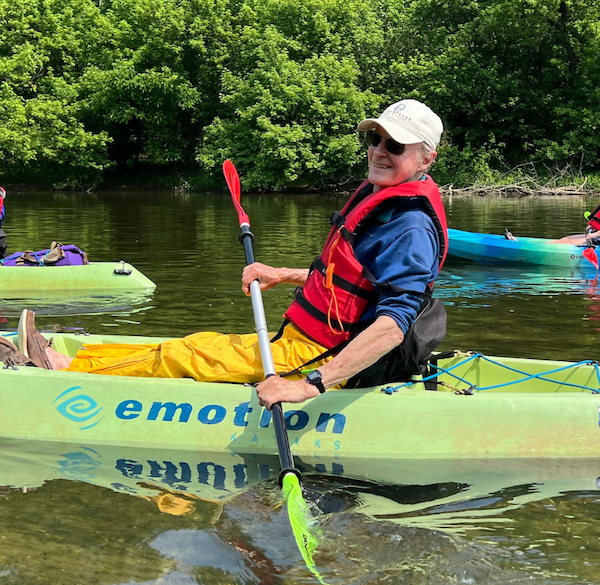 Like so many in the water advocacy world, we were saddened to hear about Ridge Hall‘s death. Ridge, a renowned environmental attorney, gave tirelessly and generously of his time and talent to support our work. Through advice, op eds, comments, briefs and so much more, he made us better. He co-founded Chesapeake Legal Alliance and served as its Vice Chair until this past summer. Not only did he have a passion for protecting our environment, he considered everyone he met a friend. We will miss him.
Calling on Federal Employees — It’s CFC Season!
 We’re very happy to be a participating charity in the Combined Federal Campaign (CFC #31891). We invite federal employees and retirees to choose Waterkeepers Chesapeake and make a pledge to support our clean water protection work.
EVERY dollar makes a difference and helps us provide the high-quality support and services our 17 Waterkeeper members need to stay on top of the region’s most pressing clean water issues and pollution threats.
Clean Water Act Playbook
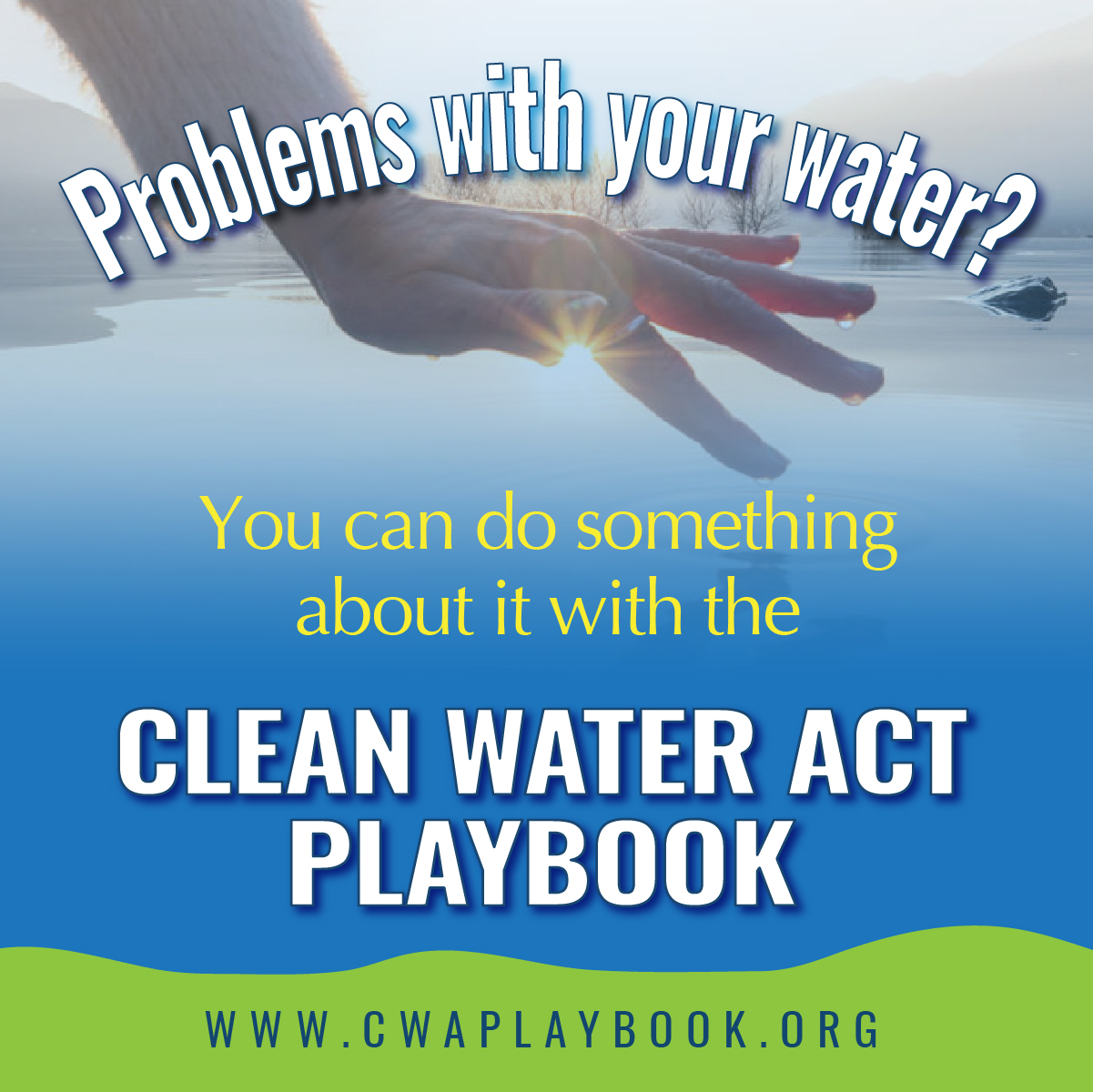 We developed the Clean Water Act Playbook for Frontline Communities for communities that have experienced and continue to experience environmental racism. It offers easy online access to the Clean Water Act’s tools and resources to enforce the law when government fails to do so. We invite you to explore the Playbook and share it with groups and communities who could benefit from this open resource.
Get Outside with Your Waterkeeper
Check out events hosted by your local Waterkeepers! Our online calendar is your one-stop-source for on-the-water fun, water quality sampling, trash cleanups, rallies and actions, educational workshops, films, fundraisers and more!
You Can Make Difference
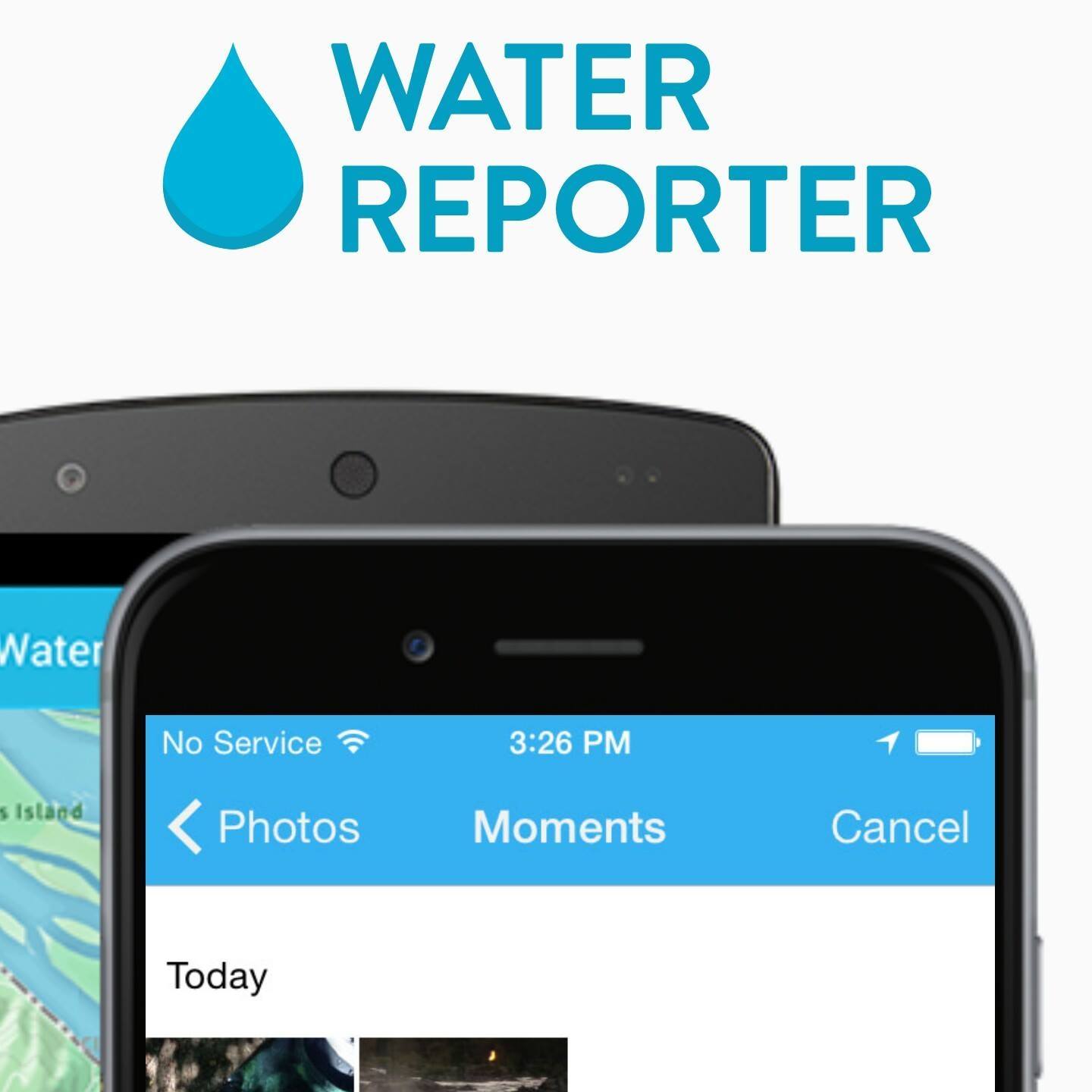 We have made it easier to find and report pollution — and to report the fun things you see and do on the river. Working with Chesapeake Commons, we developed the free Water Reporter app so you can send reports directly to your local Waterkeeper. Download it today!
 Take Swim Guide with you – wherever you go. The free Swim Guide app makes it easy to know the water quality at your beach. Several of our Waterkeepers post water quality monitoring results every week — check it out before you head to your favorite river, bay or beach.
Follow us on social media!


Waterkeepers Chesapeake fights for clean water and a healthy environment by supporting Waterkeepers throughout the Chesapeake and coastal regions as they protect their communities, rivers, and streams from pollution.
For info: www.WaterkeepersChesapeake.org or email info@waterkeeperschesapeake.org.
.jpg)
©Copyright 2023 WATERKEEPERS® Chesapeake
 EN
EN  ES
ES