
Potomac Riverkeeper Network Responded Immediately to Monitor Water Quality
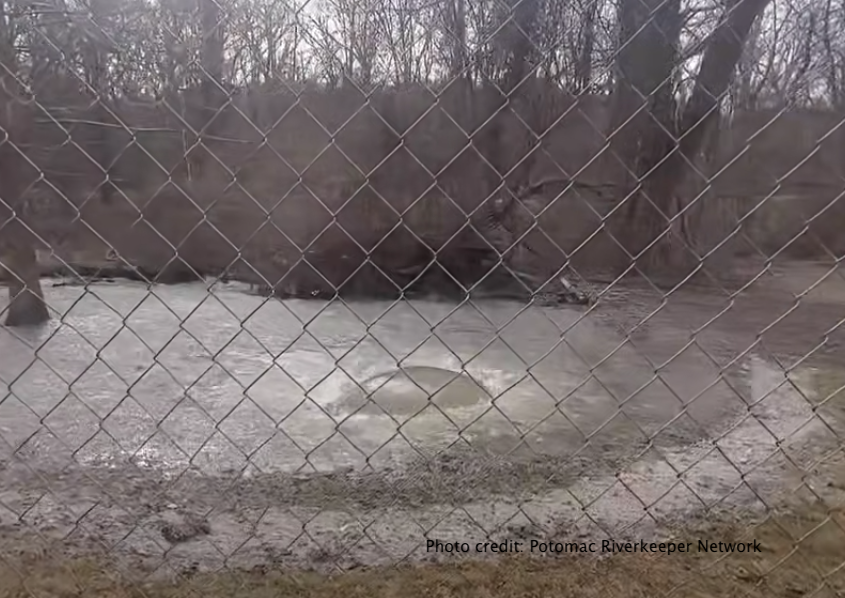
On January 19, 2026, a 6-foot wide interceptor pipe, owned and operated by DC Water, collapsed. Located on National Park land in Montgomery County, Maryland, the collapsed pipe released an estimated 243 million gallons of untreated sewage directly into the Potomac River. The construction of the interceptor pipe was mandated by Congress over 60 years ago. It transports sewage and wastewater from Dulles Airport, and Loudoun and Fairfax Counties in Virginia to DC Water’s Blue Plains treatment plant in Washington, DC. DC Water has stated that drinking water has not been affected as water intake locations are above the sewage spill site. After the initial spill, an additional 600,000 gallons of sewage flowed into the Potomac on Super Bowl Sunday due to a huge blockage caused by “flushable wipes.”
This sewage spill has been marked as one of the worst, if not the worst, sewage spills in U.S. history. Not only has this event created an on-going regional public health and environmental emergency, but it’s threatened our community’s dependence on the river – for recreation, for subsistence, and for livelihoods. DC Water has diverted the sewage into the dry C&O Canal, around the collapsed pipe and then back into the interceptor pipe below where it collapsed. This diversion will continue for months while they repair the pipe.
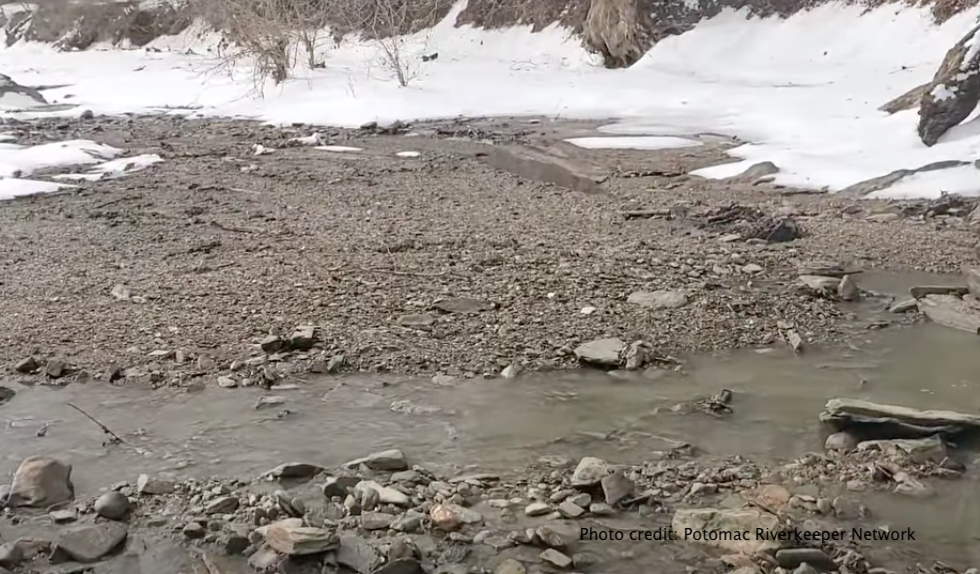
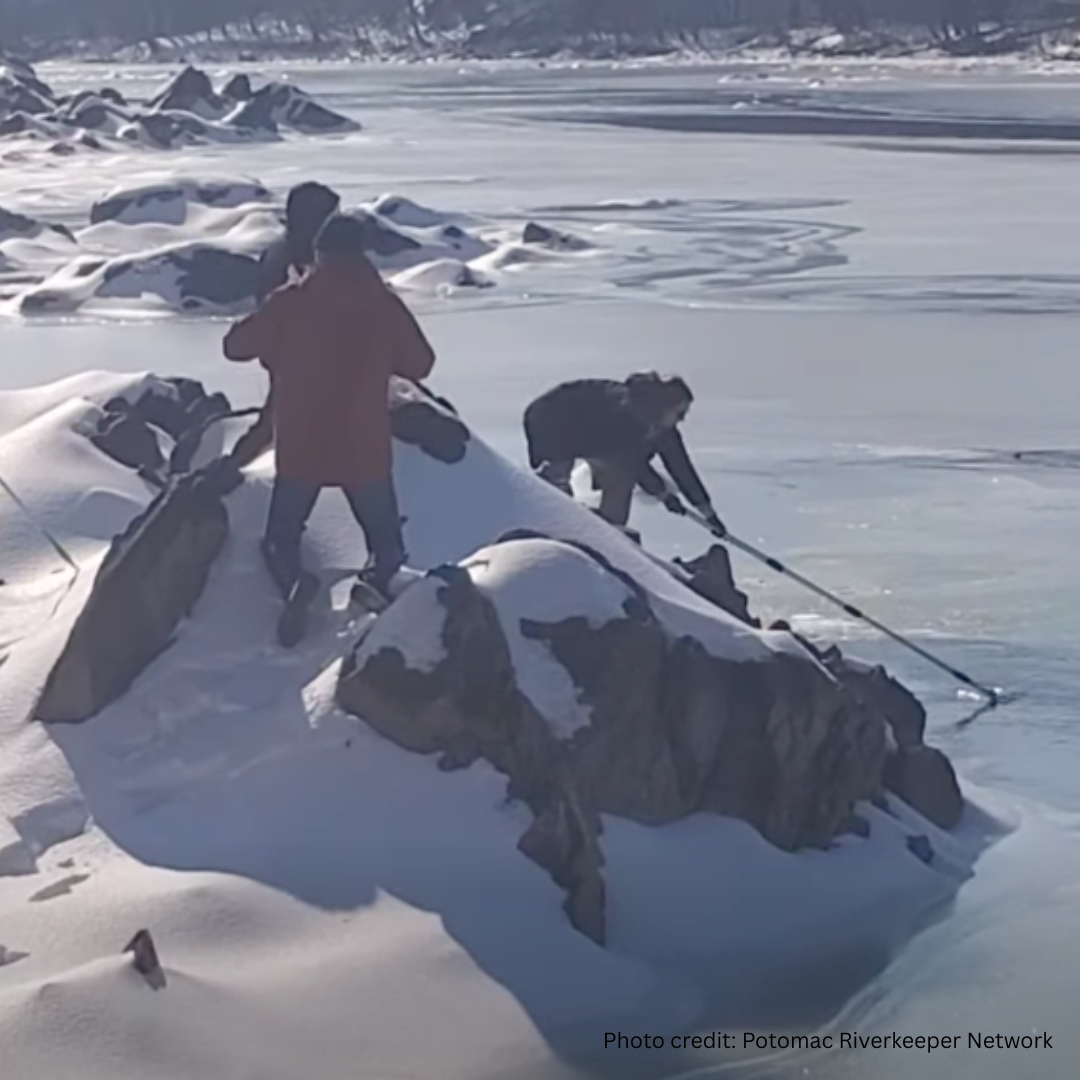
Potomac Riverkeeper Network’s (PRKN) bacteria water quality monitoring program was able to spring into action on day one of the disaster. Potomac Riverkeeper Dean Naujoks, his water quality monitoring staff and volunteers plus their partners from University of Maryland have been, and will continue to, conduct independent water-quality monitoring, and provide transparent public updates. The data that they collect is vital to their advocacy for strong public-health protections and accountability, and push for long-term ecosystem restoration. For a timeline of events, monitoring data and details on essential actions that need to be taken, visit: https://potomacriverkeepernetwork.org/potomac-sewage-spill-data-updates/
The public deserves a transparent, science-driven investigation that leads not only to answers, but to enforceable safeguards that prevent this from happening again. The political blame game needs to stop. This episode is far from over, as DC Water and the state and federal authorities must coordinate on repairs, response, and restoration for months into the future.
This massive sewage spill is a stark example of the delayed maintenance of our aging water and sewage infrastructure that plagues many of our cities and towns – big and small – throughout the region. The Potomac sewage spill should be a wake up call for state and federal governments to commit to preventing the next disaster with accelerated inspection and replacement of high-risk sewer infrastructure. In addition, the sewage spill has renewed calls for swifter action on developing a second back up drinking water source for the greater DC region.
Our Waterkeepers’ bacteria water quality monitoring programs provide a vital public service when they are called into action in response to sewage leaks and overflows. The magnitude of this sewage contamination illustrates the need for more funding and an expansion of public monitoring programs. This is critical for establishing public trust in the safety of our waterways and the commercial fisheries that rely on clean water. In addition, we need data to assess the magnitude of the nutrient pollution that could cause algae blooms, dead zones and possible fish kills this summer in the lower Potomac and the Chesapeake Bay.
To follow the aftermath of the sewage spill, follow Potomac Riverkeeper Network on social media (https://www.facebook.com/potomacriverkeeper and https://www.facebook.com/PotomacRiverkeeperNetwork/) and support the essential work they will continue to do in coming months and years. Also, reach out to your local Waterkeeper about how you can help and support their work.
Potomac Riverkeeper Network has garnered a lot of local, regional and national media attention, including a spot on The Late Show with Stephen Colbert:

 EN
EN  ES
ES