
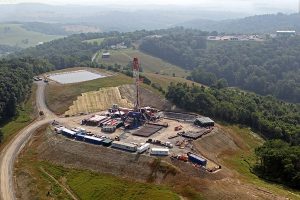
Waterkeepers Chesapeake Calls on MDE to Prohibit Fracking in Maryland
The EPA has reversed it’s earlier conclusion of it’s 5-year fracking study and now concludes that hydraulic fracturing activities can impact drinking water resources under some circumstances and identifies factors that influence these impacts.
The report identified several vulnerabilities to drinking water resources, including water withdrawals for fracking in drought-stricken areas; inadequately cased or cemented wells resulting in below-ground migration of gases and liquids; inadequately treated wastewater discharged into drinking water resources; and spills of hydraulic fluids and wastewater.
The EPA removed the “widespread, systemic” language because it “could not be supported due to data gaps and uncertainties” and “did not clearly communicate the topline finding of the report.” The EPA had inserted the earlier statement about “no widespread systemic” contamination under pressure from the oil and gas industry.
Waterkeepers Chesapeake issued this statement:
“We applaud the EPA for basing the conclusion of their 5 year study on science, instead of oil and gas industry spin. The EPA now concludes what we have known all along: our drinking water sources have been contaminated with toxic compounds from fracking activities.
This conclusion would not have happened without all of the public feedback and participation on the report, especially from the impacted people from across the country who shared their stories with the Science Advisory Board. This highlights the increased need for citizen engagement and enforcement to hold regulators and polluters accountable.
In our recent comments on Maryland’s draft fracking regulations, we called on the Maryland Department of the Environment (MDE) to prohibit fracking. Under state law, MDE has an obligation to protect public health and the environment. By adopting the proposed regulations despite increasing scientific evidence documenting the risk fracking presents to public health and the environment, MDE will fail to meet this legal obligation.
EPA’s conclusion along with mounting evidence from other states demonstrates that no amount of regulation is capable of preventing harm from fracking. Thus, the only way MDE can fulfill its legal obligation to keep its citizens safe and to protect the State’s environment is to prohibit fracking in Maryland.”
For more information on the campaign to ban fracking in Maryland, go to www.DontFrackMD.org
 EN
EN  ES
ES