
It’s Time for Bold Action
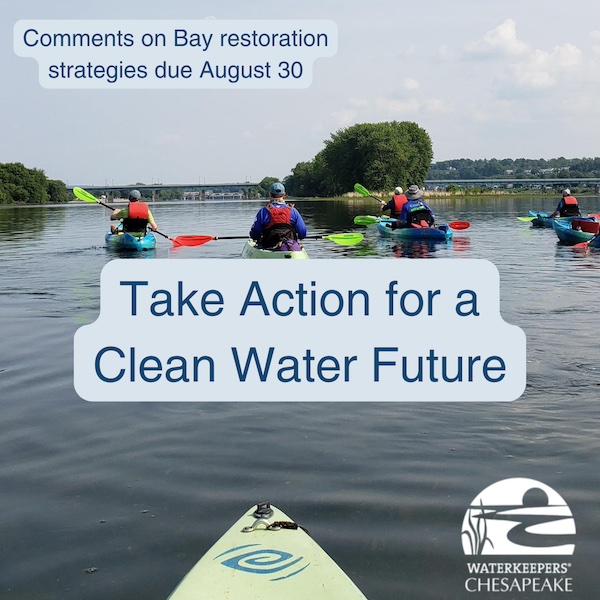 Communities have experienced first-hand how regional forces such as unchecked development, poor enforcement, climate-driven storms, and agricultural pollution can overwhelm local gains in reducing pollution. Now is the time for bold leadership and innovation to chart a new course for the restoration of the Chesapeake Bay and to implement real change, while emphasizing progress in shallow water habitats. There needs to be a shift from a practice-focused approach to one that measures actual load reductions. Most importantly, we need to recognize the recommendation of the leading Bay scientists to take a more holistic focus on the threats to living resources and the toxic and emerging contaminants harming our communities. We should prioritize communities impacted the most by pollution due to historical environmental injustices.
State leaders and the Bay Program must now reaffirm their commitment to the Chesapeake Bay Agreement. They should revise goals and strategies to prioritize top-down accountability, incorporate climate change data and resiliency projects, and implement solutions that directly benefit communities.
Read more about our recommendations * Send your comments by August 30th
Story Map: PFAS In Local Waterways & Communities
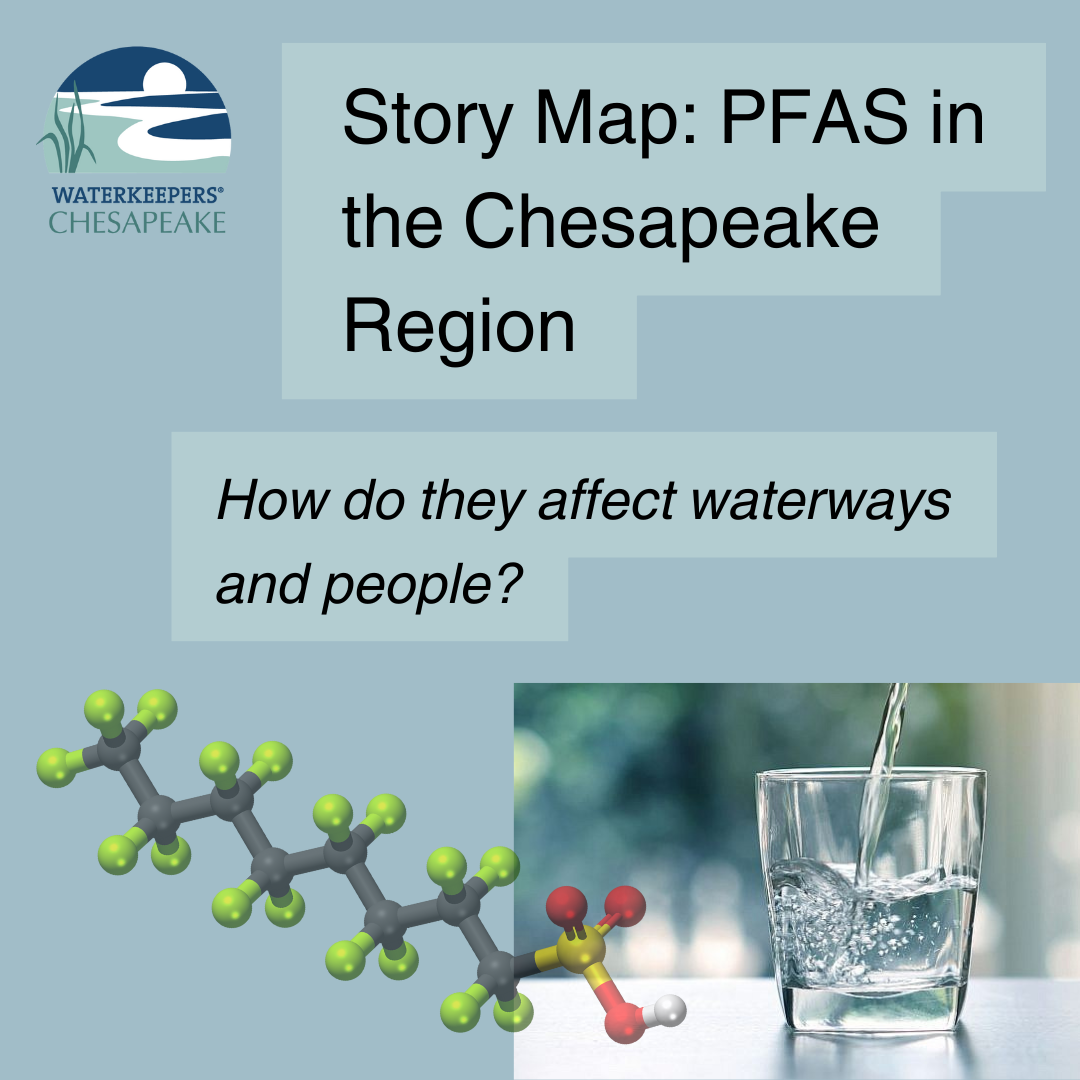 Check out the PFAS in the Chesapeake Bay Region story map created by our summer interns from the Yale Conservation Scholars program, Malvika Shrimali and Helena Souffrant. The story map gives an overview of the science, public health threats, climate change impacts, and environmental justices issues, and includes an in-depth look at Baltimore and Pennsylvania.
Per- and polyfluoroalkyl substances (PFAS) are a widely known class of over 10,000 toxic chemicals. Used since the 1940s, they can be found in household items like cookware, rain jackets, and rugs, and in commercial items such as food packaging, adhesives, and firefighting foam. PFAS causes a host of human health problems including increased cholesterol, high blood pressure, fertility issues, and cancer. PFAS chemicals are nicknamed “forever chemicals” because they are long-lasting: they do not break down in the environment or in our bodies, and are found in ground and drinking water sources worldwide.
Waterkeepers are working in their communities to stop PFAS at its source — industrial facilities, wastewater treatment plants, and biosolids (sewage sludge) used on farm fields.
Combatting Microplastics in Local Rivers, Streams & Bays
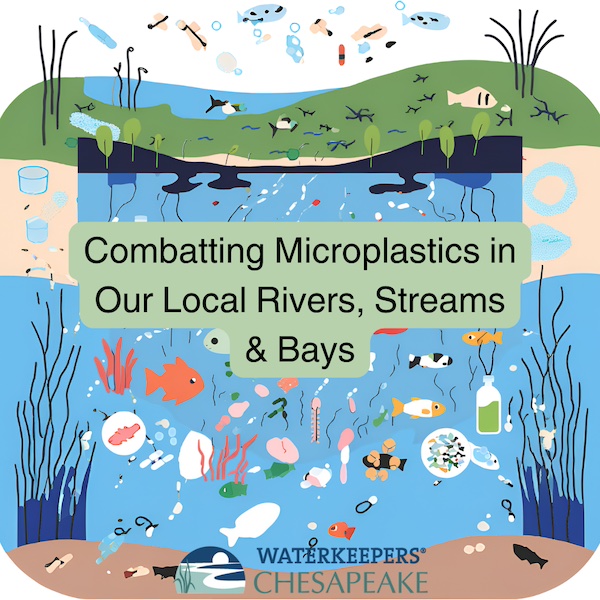 Learn all about microplastics in the infographic created by our summer interns from the Yale Conservation Scholars program, Helena Souffrant and Malvika Shrimali. Microplastics are plastics that are less than 5 millimeters in size—about the size of a pencil eraser! They are found in water, air and soil. In 2015, a survey of tidal tributaries to the Chesapeake Bay found microplastics in all 60 samples of various marine animals, with higher concentrations near cities and urbanized areas. Visit the infographic to read about what is being done to combat this dangerous pollution, and to learn about ways you can reduce your exposure to microplastics.
Conowingo Dam Update
We wanted to let you all know that, along with Lower Susquehanna Riverkeeper Ted Evgeniadis, we’ve been meeting with the Maryland Department of the Environment and Constellation, owner of the Conowingo Dam, to craft a new water quality certification. This will take some time. Renewing a federal license for a hydropower dam is very complicated — and Conowingo Dam is one of the first to do this because it is one of the oldest. We know it seems like it’s been quiet over here on our Conowingo Dam work, but rest assured we’ve been very busy with our counsel from Earthjustice and Chesapeake Legal Alliance.
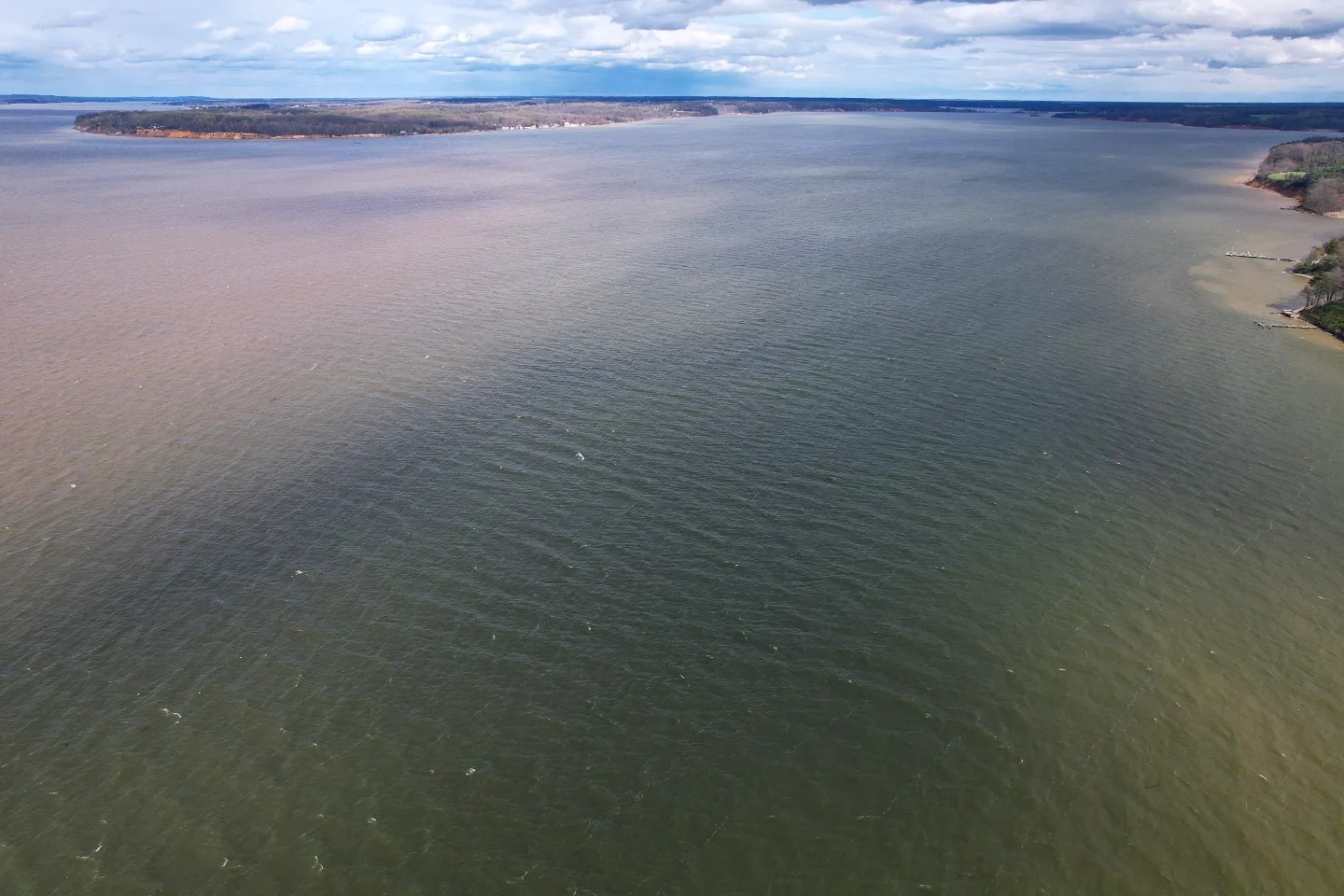 In April, Sassafras Riverkeeper Zack Kelleher captured drone images of massive sediment plumes flowing from Conowingo Dam toward the Eastern Shore and the Sassafras River, demonstrating why we are working so hard to guarantee a new dam license that protects our rivers and Bay. The pollution from Conowingo Dam impacts waterways, watermen and communities miles away from the dam. 13 gates opened in early April under spill conditions with a flow rate of around 300,000 cubic feet/second (cfs), or 2.2 million gallons per second. Generally pollutants and sediments start scouring downstream at anything higher than 175,000 cfs. The reservoir behind the dam has been full for years. These scour events will continue unless that is addressed.
Our Annual Retreat is a wrap!
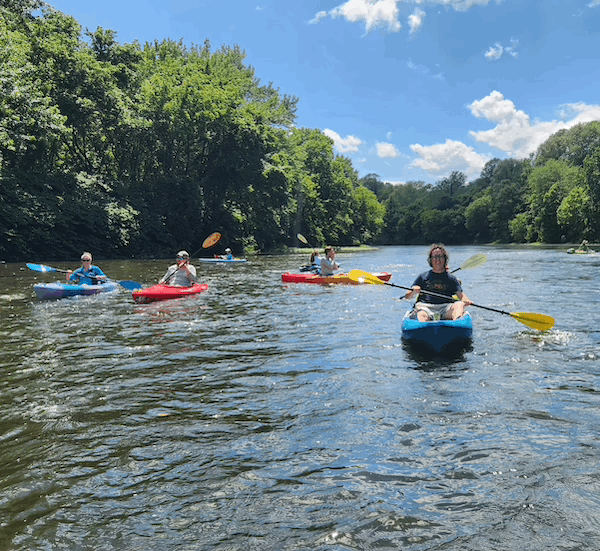 Thanks to the amazing drone flying skills of Upper Potomac Riverkeeper Brent Walls, our afternoon paddling the Potomac during our annual retreat in June was captured on video. We had a great retreat of reconnecting with each other and recharging for the work we love — protecting our communities and water from pollution. We also spent plenty of time in a meeting room planning — but that doesn’t make for an entertaining video. Now, we are diving into a work plan that focuses on water quality standards, PFAS and microplastics, climate resiliency, environmental justice, and non-point source pollution from agriculture and urban/suburban stormwater.
Waterkeeper Wins!
Potomac Riverkeeper Network and the State of Maryland have reached a settlement in their lawsuit against St. Mary’s County’s Metropolitan Commission (MetCom) to halt persistent and illegal discharges of raw sewage from its sanitary sewer system into the Potomac River and its tributaries, which contaminated local oyster beds and sickened people.
Gunpowder Riverkeeper sent D.R. HORTON, the largest homebuilder in the U.S., Forestar Group Inc., Forester (USA) Real Estate Group Inc., and Kinsley Construction, LLC, a notice of intent to sue under the Clean Water Act for ongoing permit violations and excessive sediment pollution leaving the site. The sediment coming from the site coincides with a localized die-off of submerged aquatic vegetation in the tidal Gunpowder River at a time when other Bay grass beds are rebounding in size.
Choptank Riverkeeper continues to fight for enforcement of violations at the Valley Proteins poultry rendering plant in Dorchester County. MDE has charged that the plant has violated its October 2022 consent decree. Under that settlement, it agreed to pay $540,000 to the state while fixing wastewater and stormwater problems at the troubled plant. “I would say this facility is in no better shape than it was in 2021 when we filed the lawsuit,” said Matt Pluta, the Choptank Riverkeeper.
Thank You, Bay Paddle!
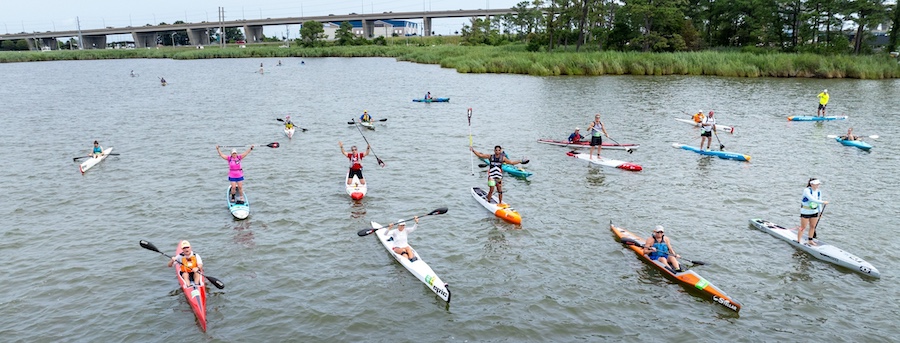
What an amazing day on the water! On Saturday, July 20th 216 paddlers participated in the Bay Paddle. We thank everyone who was a part of it, especially the Kent Island Outrigger Canoe Club, and thank the Kent Island Yacht Club for hosting. We are so grateful for all of the support we receive from the Bay Paddle. [Photo from 401 Films]
Transitions at Waterkeepers Chesapeake
Leda Huta, who joined us last year as our Executive Director, has moved over to American Rivers at the end of July. We wish her well there, and thank her for her skillful guidance of Waterkeepers Chesapeake. Building off our successful annual retreat, our Waterkeepers, board and staff are now engaged in crafting a transition plan.
Clean Water Act Playbook
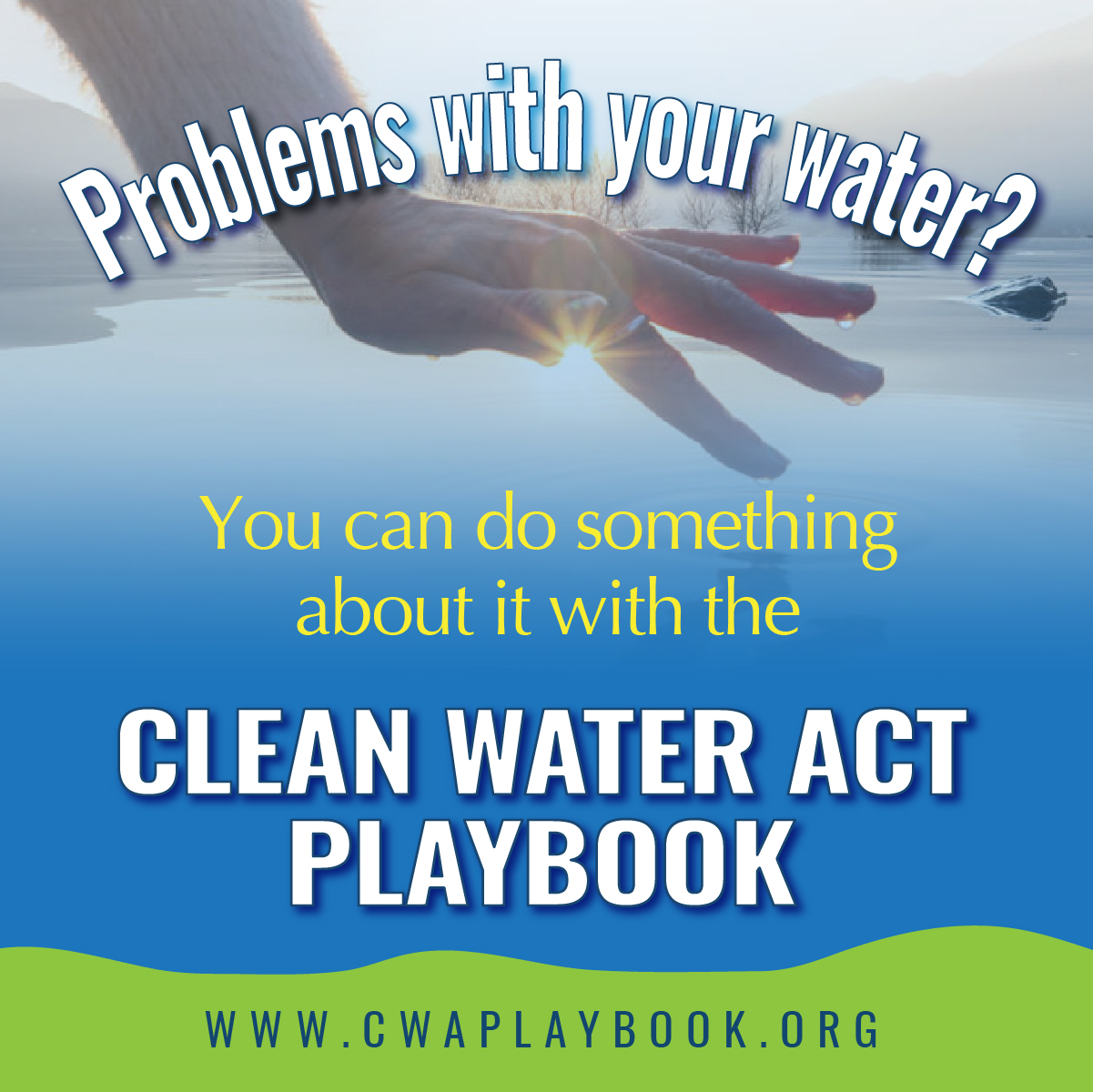 We created the Clean Water Act Playbook for Frontline Communities for communities that have experienced and continue to experience environmental racism. It offers easy online access to the Clean Water Act’s tools and resources to enforce the law when government fails to do so. We invite you to explore the Playbook and share it with groups and communities who could benefit from this open resource.

Waterkeepers Chesapeake fights for clean water and a healthy environment by supporting Waterkeepers throughout the Chesapeake and coastal regions as they protect their communities, rivers, and streams from pollution.
For info: www.WaterkeepersChesapeake.org or email info@waterkeeperschesapeake.org.

©Copyright 2024 WATERKEEPERS® Chesapeake
 EN
EN  ES
ES