
Recapping Phase I & Why Phase 2 Matters
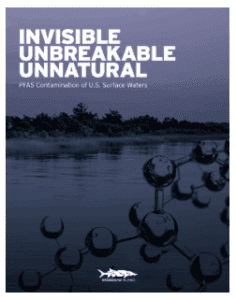
In 2022, Waterkeeper Alliance and 113 local Waterkeepers, including 16 in the Chesapeake Bay region launched Phase I of a nationwide investigation into PFAS contamination, collecting water samples from 114 waterways across 34 states and the District of Columbia. The results were shocking: 94 Waterkeeper groups detected PFAS – dangerous and persistent per- and polyfluoroalkyl substances in their waterways, with some sites showing up to 35 different compounds. (Read our full Phase I recap here.) Released on the 50th anniversary of the Clean Water Act, Waterkeeper Alliance’s report Invisible, Unbreakable, Unnatural highlights a growing public health and environmental crisis, with PFAS detected in 83% of all samples nationwide and 100% of samples taken in the Chesapeake Bay region.
These findings highlight the disturbing persistence of PFAS in our environment. Often referred to as “forever chemicals,” PFAS do not break down naturally and are linked to serious health risks, including cancer, hormone disruption, and immune system harm. Their widespread presence, even in remote and seemingly pristine waterways, has sparked growing concern among scientists, advocates, and communities alike.
Now, we’re diving deeper. Phase II of this effort expanded the investigation with more intensive sampling, new geographic locations, and refined testing methods to build a clearer picture of PFAS contamination nationwide. Stay tuned as we continue to uncover the hidden threats in our waterways and push for the protections our communities deserve.
What is Phase II?
Phase II of the project centered on locations both upstream and downstream of wastewater treatment plants (WWTPs), as well as areas where treated sewage sludge also known as biosolids are legally spread on farmland as fertilizer. This phase placed special focus on communities that are disproportionately affected, spanning 19 different states. The overall multi-phase effort is crucial for addressing a major lack of data and for reinforcing the push for stricter regulations, more research, and better funding to improve treatment methods.
To measure PFAS contamination, researchers used PFASsive passive samplers created by SiREM. These devices were placed at 22 WWTPs and 10 biosolids application sites, both upstream and downstream, for a period of at least 20 days. Unlike traditional “grab” sampling, this method offers a more reliable picture of PFAS levels over time.
Widespread PFAS Contamination Found Near Wastewater Treatment Plants and Biosolids Sites
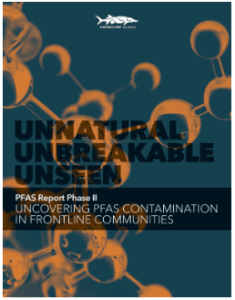 A new report from the Waterkeeper Alliance comes just months after the Environmental Protection Agency (EPA) proposed rolling back national drinking water standards for PFAS, despite the fact that these toxic “forever chemicals” are known to contaminate the drinking water of an estimated 100 million people in the United States. The report’s findings highlight the scale and severity of PFAS pollution across the country, raising serious concerns about the federal government’s commitment to protecting public health at a time when strong action is needed most.
Recent findings reveal a troubling level of PFAS contamination at sites associated with wastewater treatment and biosolids application. Specifically, 95% of locations downstream from wastewater treatment plants and 80% of sites where biosolids are applied to land showed elevated PFAS levels. Even more concerning, 98% of all sampling locations both upstream and downstream across the 19 states showed signs of PFAS presence, indicating how widespread the pollution has become.
PFAS, or per-and polyfluoroalkyl substances, are a large group of human made chemicals that resist breaking down in the environment. The study identified several detected PFAS compounds at WWTPs, such as PFOA, PFHxA, PFBS, PFPeA, PFHxS, and PFOS. Meanwhile the biosolid samples most frequently contained PFBA, PFBS, PFPeA, PFHxA, and PFHpA. These findings suggest that both wastewater treatment plants and land application of treated sludge and key pathways for PFAS dispersal.
The health implications of the contamination are significant. PFAS has been linked to various health problems, including hormone disruption, immune systems effects, and increased cancer risks. Alarmingly, total PFAS levels exceeded the Environmental Working Group’s health-based guideline of 1 part per trillion (ppt) at every wastewater treatment site tested and 90% of biosolids sites.
Additionally, many sites surpassed the federal drinking water limits for the most well known PFAS compounds, PFOA and PFOS, with some samples registering levels more than 10 ppt. These exceedances point to a growing public health concern and highlight the urgent need for stronger regulatory action and cleanup strategies to protect water supplies and surrounding communities.
Spotlight: Waterkeepers Driving Local Action
A few of our Waterkeepers collaborated with the Waterkeeper Alliance in this Phase II research initiative. Let’s take a closer look at the specific areas they examined and the outcomes of their work. In particular, we’ll focus on the efforts of the Upper Potomac Riverkeeper, Potomac Riverkeeper and James Riverkeeper.
Upper Potomac Riverkeeper tested two upstream sites for PFAS contamination: a biosolids land application site and a wastewater treatment plant. The first location was Dehaven Farm in Berkeley County, where biosolids from the Berkeley County Public Service Sewer District are applied to farmland. This area lies within the Back Creek watershed. About 18% of Berkeley County residents are people of color, and 29% are considered low-income. Testing was done both upstream and downstream of the site to assess potential contamination entering nearby waterways. Results showed PFOA levels at 2.3 ppts and PFOS at 3.2 ppt both below the EPA’s safety limit of 4.0 pt for each chemical.
The second testing site was near the Inwood Wastewater Treatment Plant, which serves 17,500 residents and discharges treated water into Openquon Creek. In the community around the plant, 13% of residents are people of color and 20% are low-income. Here, results showed PFOA at 3.5 ppt and PFOS at 5.3 ppt. While PFOA remained under the EPAs limit, PFOS exceeded it raising concern about long-term exposure for nearby residents.
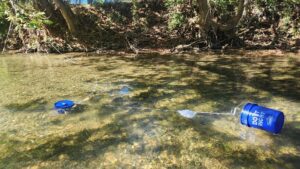
Potomac Riverkeeper tested two sites in the Lower Monocacy Watershed, which spans nearly 195,000 acres and supports a population of over 7,600 residents. The focus was on potential PFAS pollution from both wastewater treatment plants and land-applied biosolids.
One sampling site was near the City of Frederick Wastewater Treatment Plant, which serves 73,000 people. Within a mile of this plant, 37% of the population are people of color, 15% are low-income. Test results showed PFOA at 3.7 ppt and PFOS at 4.2 ppt. While PFOA stayed under the EPA’s 4.0 ppt threshold, PFOS exceeded it.
The second site was at the Baumgartner & Zack Property, a biosolids application site managed by Synagro Central, LLC. Located on the border of Federick and Carroll counties, this area is part of the Monocacy River watershed. Synagro applies biosolids from the Frederick plant and others in the region to farmland here. In surrounding communities 24% of residents are people of color and 14% are low-income. Sampling at this site showed elevated PFAS levels: 4.6 ppt for PFOA and 6.0 ppts for PFOS both above the EPA’s safe limits. These findings highlight the need for closer monitoring and community awareness around biosolids and water safety.
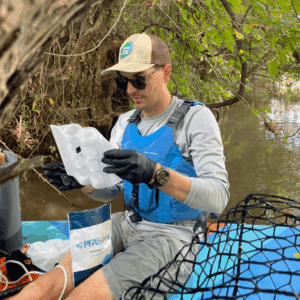
The James Riverkeeper monitored two upstream locations for PFAS contamination: a biosolids land application site and a wastewater treatment plant. Sampling at the biosolids site took place in Chesterfield County, where 41% of the population are people of color and 18% are low-income. The specific location lies in the Old Town Creek watershed and is managed by Synagro. Testing results showed PFOA levels at 3.9 parts per trillion (ppt) and PFOS at 3.1 ppt both just under the EPA’s maximum contaminant level of 4.0 ppt for each chemical.
At the South Central Wastewater Authority Treatment Plant in Petersburg, the surrounding community includes 56% people of color and 33% low-income residents. The EPA has identified 29 facilities in the area that may be discharging PFAS into the environment. Sampling near this plant revealed PFOA levels of 2.4 ppt and PFOS levels of 2.1 ppt, both within the EPA’s current safety thresholds. These findings help assess the potential exposure risks faced by nearby communities.
Local Waterkeepers Are at the Forefront of PFAS Legislation
Collectively, local Waterkeepers ensure that community voices and local knowledge inform the science. They have uncovered previously undocumented contamination zones, reinforcing the urgency of action in Phase 2 and for future studies. Waterkeepers in Maryland and Virginia will continue to work on legislation to address PFAS at its source, in personal care products, on our lands, and in our water. Stay tuned on how you can support these bills in 2026.

 EN
EN  ES
ES