
What is Plastic Free July?
Did you know that a small challenge among friends in 2011 sparked a global movement? Plastic Free July, created by the Plastic Free Foundation and started by founder Rebecca Prince-Ruiz, began with just 40 people pledging to avoid single-use plastics for one month. Today, it’s a worldwide initiative helping millions rethink their relationship with single-use plastic one simple swap at a time.
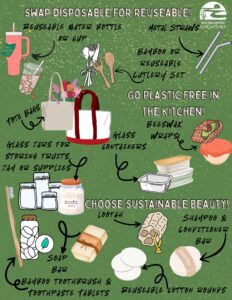
Whether you’re at home, at work, or active in your community, there are so many ways to get involved. To make it easier, we’ve put together a quick guide with easy plastic-free alternatives for common household items. (Check out our flyer below or head to our Instagram for more tips!) Plastic Free Alternatives
The Plastic Problem: More Than Just Litter

Plastic production has surged dramatically in recent decades, with half of all plastics ever made being produced in just the past 20 years. By 2015, global plastic production reached 448 million tons, and that figure is expected to double by 2050. Yet despite growing awareness, only about 9% of plastic waste is actually recycled. The majority ends up in landfills, waterways, or is burned in incinerators. Each year, approximately 8 million tons of plastic waste escape into the ocean from coastal countries. (The world’s plastic pollution crisis, explained | National Geographic)
Closer to home, plastic pollution is increasingly finding its way into the Chesapeake Bay and our local waterways. One major culprit? Stormwater runoff. When it rains, litter and other pollutants, including plastic waste, are carried by stormwater into storm drains, which ultimately lead to rivers, streams, and the Bay itself. Larger plastic debris doesn’t just stay intact; over time, it breaks down into tiny particles known as microplastics. This poses an even greater concern, as research has shown that microplastics are now found virtually everywhere in our water, soil, and even the food we eat.
Plastics and Climate Change: The Overlooked Connection

Plastic isn’t just a pollution issue; it’s a climate issue too. Plastics are made from fossil fuels like oil, natural gas, and coal, extracted through harmful practices like fracking. This process releases significant amounts of greenhouse gasses and often causes lasting environmental damage.
From extraction to manufacturing, plastics generate millions of metric tons of carbon dioxide annually. Producing ingredients like ethylene which is used in many common plastics. And once plastics reach the end of their life, disposal options like landfilling or incineration carry further environmental costs.
Incineration, while reducing waste volume, releases high levels of greenhouse gases and is often located in low-income and marginalized communities, raising serious environmental justice concerns. Even “lower impact” methods like landfilling contribute to methane emissions, a potent greenhouse gas. And throughout their lifecycle, plastics pose threats to wildlife and human health alike, from internal injuries in animals to hormonal disruptions and increased cancer risks in people.
Local Action: The Mayland Bottle Bill
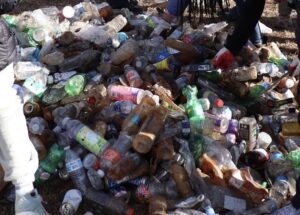
One promising solution is right here in our backyard. Maryland’s proposed Beverage Container Recycling Refund & Litter Reduction Program aims to reduce litter and dramatically increase recycling by implementing a proven approach known as a bottle bill.
The concept is simple: a small refundable deposit (10 or 15 cents depending on container size) would be added to the purchase price of metal, glass, and plastic beverage containers. When consumers return their bottles or cans for recycling, they get that deposit back, creating a financial incentive to reduce waste. Similar programs in ten other states have achieved redemption rates as high as 90%, making this an effective and widely supported policy for environmental improvement.
Additionally, 10% of unclaimed deposits would support a grant program aimed at further boosting reuse and recycling efforts across Maryland.
Waterkeepers Chesapeake: Standing Up Against Plastic Pollution
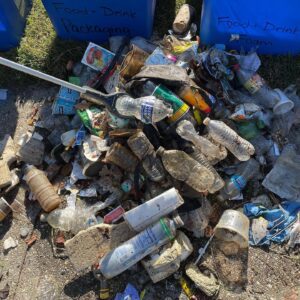
At Waterkeepers Chesapeake, we’ve seen firsthand how damaging plastic pollution is to our waters and communities. Our coalition of dedicated Waterkeepers is actively advocating for change, organizing and supporting community clean-ups, and championing legislation to reduce toxic plastic waste.
Plastic pollution touches every corner of our environment, and we tackle it on two major fronts. First there’s the overweighing problem of single-use plastics which are items that are used once and tossed away, often ending up in our rivers and streams due to improper disposal. Secondly, there’s the growing concern of microplastics: tiny plastic particles that break down over time and are now being found in our waterways, wildlife, and food.
We’re not just raising awareness; we are leading the charge. And we invite you to join us.
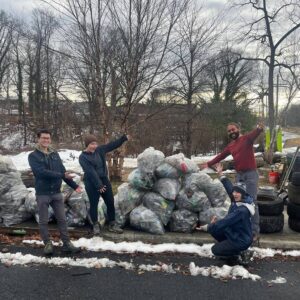
Here are just a few of the initiatives our Waterkeepers are leading to combat plastic pollution:
Potomac Riverkeeper Network – Leading the Trash Free Potomac Initiative
Blue Water Baltimore – Tackling trash in our local waterways through ongoing advocacy and clean-ups
Anacostia Riverkeeper – Addressing urban litter through Trash Mitigation and studying Microplastics in the Anacostia River
James River Association – Engaging volunteers through the RiverRats Program
Lower Susquehanna Riverkeeper Association – The Great Plastic Purge of the Lower Susquehanna, and microplastic monitoring
ShoreRivers – Launched a Trash-Free campaign across Eastern Shore Communities
Plastic Pollution is A Climate Justice Issue
Addressing plastic pollution goes beyond protecting the environment; it’s also a matter of protecting our climate, health, and communities. This Plastic Free July, we invite you to take the pledge to say no to single-use plastics. While Plastic Free July serves as an important reminder, our goal is to inspire lasting change. By adopting sustainable habits beyond this month, we can each play a meaningful role in building a healthier, more equitable planet.
Supporting initiatives like the Maryland Bottle Bill is another powerful way to be part of this solution. Local actions like these contribute to global progress every step we take brings us closer to a cleaner, more just world.
Here are 4 ways you can help reduce plastic pollution!
- Support the Maryland Bottle Bill, the Virginia plastic bag fee bill, and other bills fighting plastic pollution.
- Stay tuned for opportunities to take action.
- Reduce personal plastic use
- Switch out household items that are single use plastics for environmentally friendly alternatives.
- Spread awareness
- Educate and invite friends, family and neighbors to say no to single-use plastic this July and beyond!
- Support Waterkeepers Chesapeake, who partners up with local Waterkeepers doing the on-the-groundwork and local advocacy.
- Donate to our work.
- Follow us on social media and help amplify our message.

 EN
EN  ES
ES