
Reflecting on Our Clean Water Victory — A National Precedent
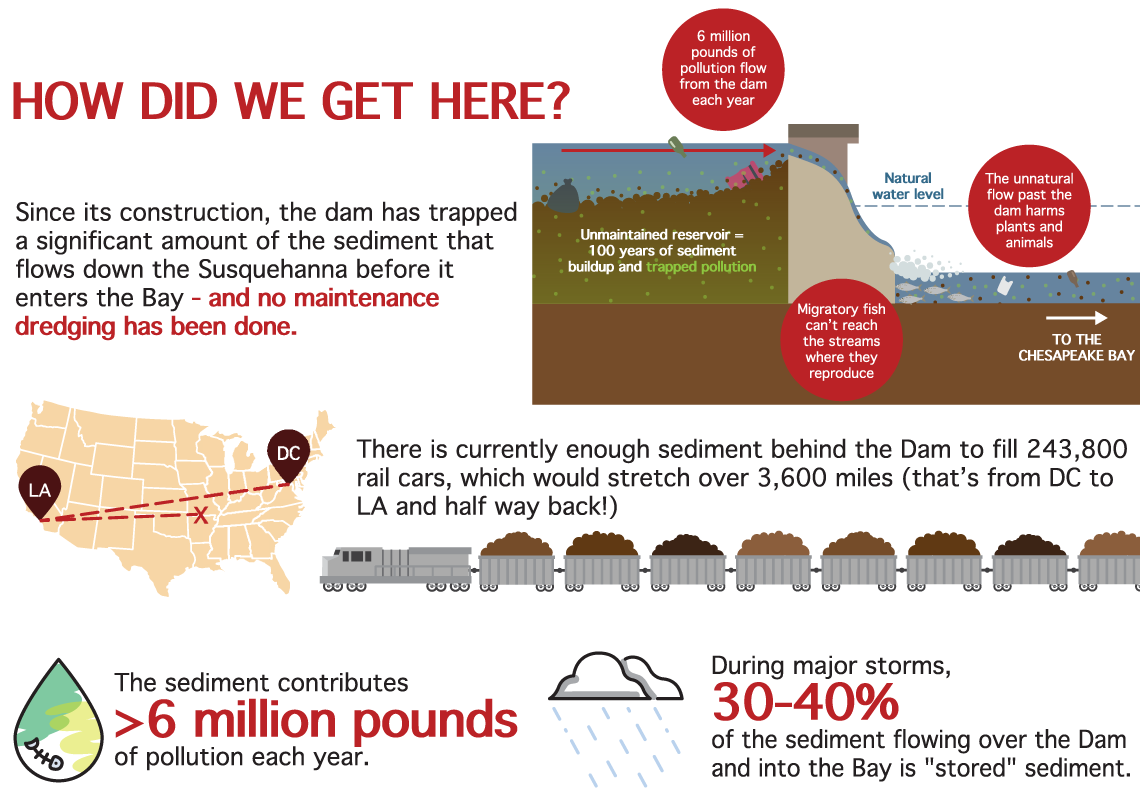 Our work didn’t stop with this legal victory. This past year, we’ve been pushing to keep strong water protections in the Water Quality Certification. During Maryland Department of the Environment’s (MDE) public comment period this summer, Waterkeepers Chesapeake and Lower Susquehanna Riverkeeper submitted briefs to strengthen the certification, and Constellation submitted briefs that did the opposite. In addition, this year, Maryland’s entire federal delegation and over 800 people and 40 organizations called on MDE to reject any attempts to weaken the prior certification. Our work continues into 2024, and we look forward to having your support as we reach the goal of a Conowingo Dam license that protects water quality, ensures eels and fish recover, and guarantees future generations have access to a clean river and Bay.
Buried But Not Forgotten
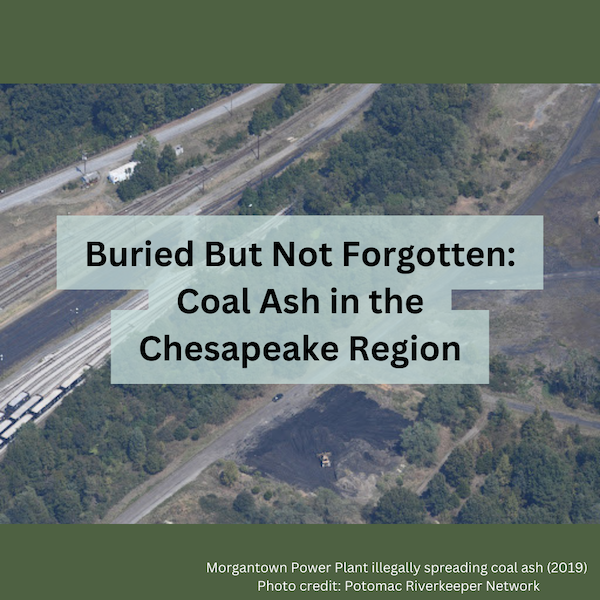 Most coal ash dumps remain unregulated due to sweeping exemptions for legacy coal ash ponds and inactive landfills, which are disproportionately located in low-income communities and communities of color. Maryland’s Power Plant Research Program has identified 400 million tons, with estimates that it may be as high as 700 million tons, of toxic coal ash in the Chesapeake Bay Watershed. Researcher Jason Litten at Frostburg State University’s Western Maryland Regional GIS Center has compiled an extensive database of legacy sites throughout the Bay watershed. By examining historical aerial photography, LIDAR data, federal databases, and various online sources, he has documented coal ash disposal sites at active and recent and long-ago decommissioned power plants and at off-site landfills. Other areas where coal ash can be found include backfill in abandoned surface coal mines, under shopping centers, in large construction sites like highway interchanges, and buried along river banks – even in areas far from the location of the power plants like Maryland’s Eastern Shore. Quite simply, it is everywhere.
In Maryland, Potomac Riverkeeper Network and Waterkeepers Chesapeake are working with Del. Mary Lehman to introduce a bill that will require clean closure of these legacy coal ash sites, and require community input on remediation plans. We invite you to stay connected as we work on this critical public health bill that will most likely attract strong opposition from utilities and other industries.
Maryland Drinking Water Testing Project
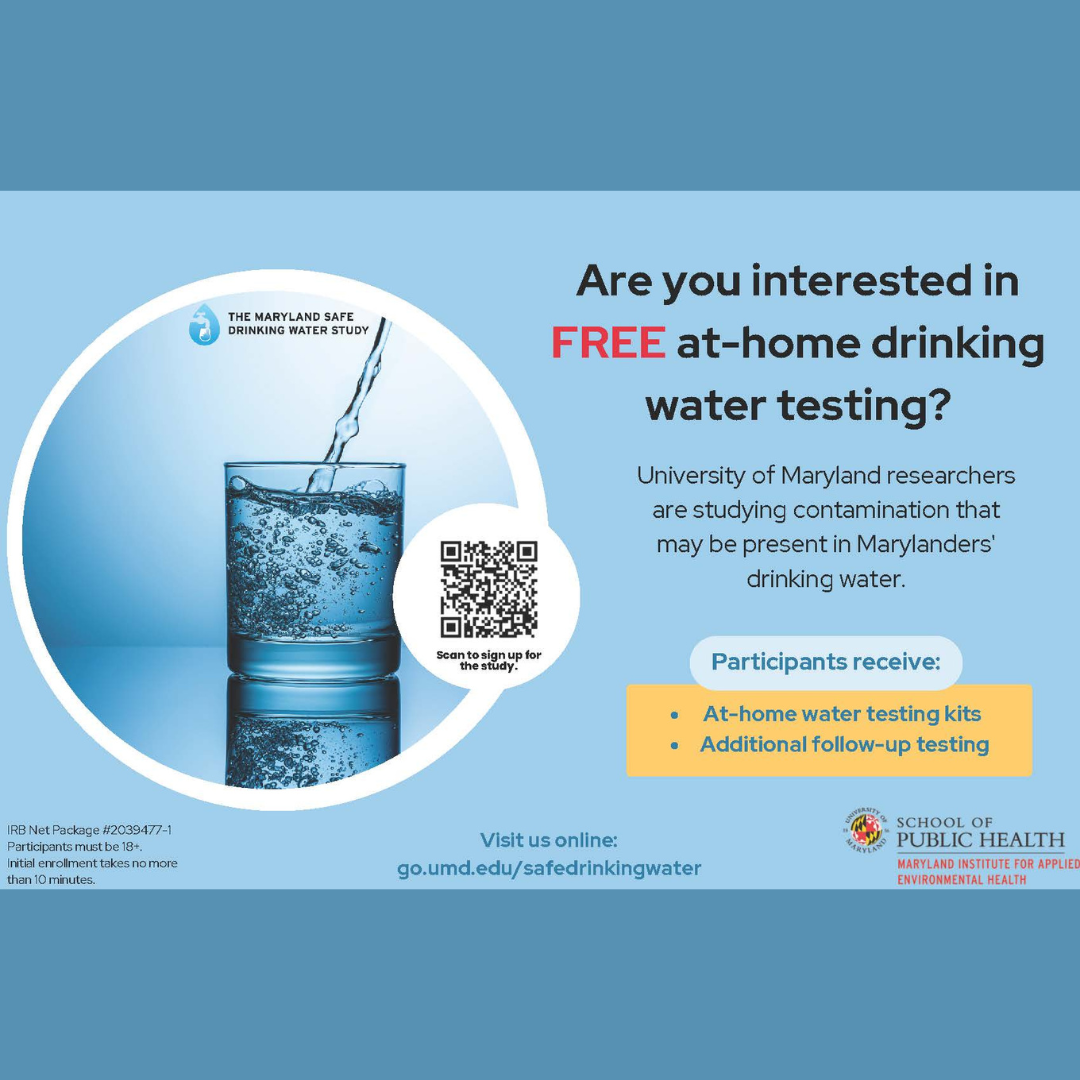 Do you want a free at-home drinking water test? The Maryland Safe Drinking WATER Study is researching the drinking water quality of both public drinking water systems and private wells in Maryland’s communities using a combination of citizen science with free water testing kits, field-based research, and laboratory analyses. They aim to develop a robust data set on levels of PFAS, coliform bacteria, pesticide residues, metals, nitrates, and other contaminants in samples collected from homes across the state.
Waterkeeper Wins!
To resolve a lawsuit brought in 2020 by the Gunpowder Riverkeeper, the EPA offered a settlement agreement to sample fish from the Gunpowder River and two of its creeks for polychlorinated biphenyls, or PCBs.
Due to Lower Susquehanna Riverkeeper’s legal intervention and water quality monitoring data, Pennsylvania and the EPA entered a consent decree to require Harrisburg to create a long-term control plan by Dec. 31, 2024, to reduce sewage overflows into the Susquehanna River.
Celebrate our 10 Years with a Special Donation
 Ten years ago, individual Waterkeeper programs here in the Chesapeake and coastal bays region decided they were stronger together—working regionally, building the movement, and telling collective stories of success. Together, they formed Waterkeepers Chesapeake, now 17 members strong. From the Shenandoah to the Eastern Shore and from Pennsylvania to Virginia, Waterkeepers are fighting for your right to clean water.
Join us with a donation to help us accelerate protection of clean water into the next ten years. We have an ambitious annual goal of $100,000 — your donation of any amount will help us reach it!
Thank You, Alex
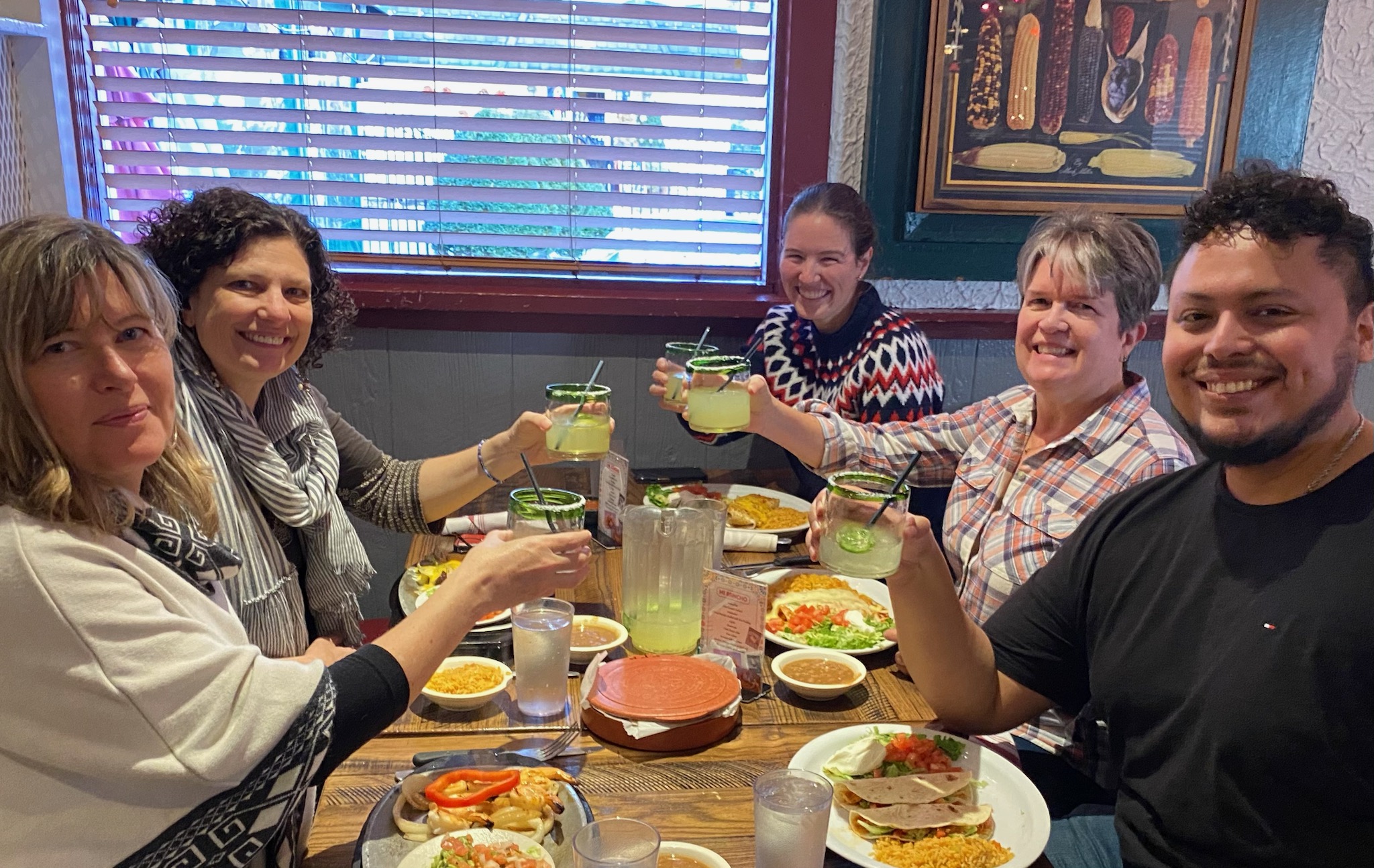 We want to thank Alex Villazon for his contributions to our legal, climate and environmental justice work over the past year as our Climate & Justice Legal Fellow. As his time with us comes to an end, we wish him well in his next endeavor, where we know he’ll be a great asset. We appreciated his ease and calm in accepting whatever task was asked of him. Cheers to Alex!
Calling on Federal Employees — It’s CFC Season!
 We’re very happy to be a participating charity in the Combined Federal Campaign. Our CFC # is 31891. We invite federal employees and retirees to choose Waterkeepers Chesapeake and make a pledge to support our clean water protection work.
EVERY dollar makes a difference and helps us provide the high-quality support and services our 17 Waterkeeper members need to stay on top of the region’s most pressing clean water issues and pollution threats.
Clean Water Act Playbook
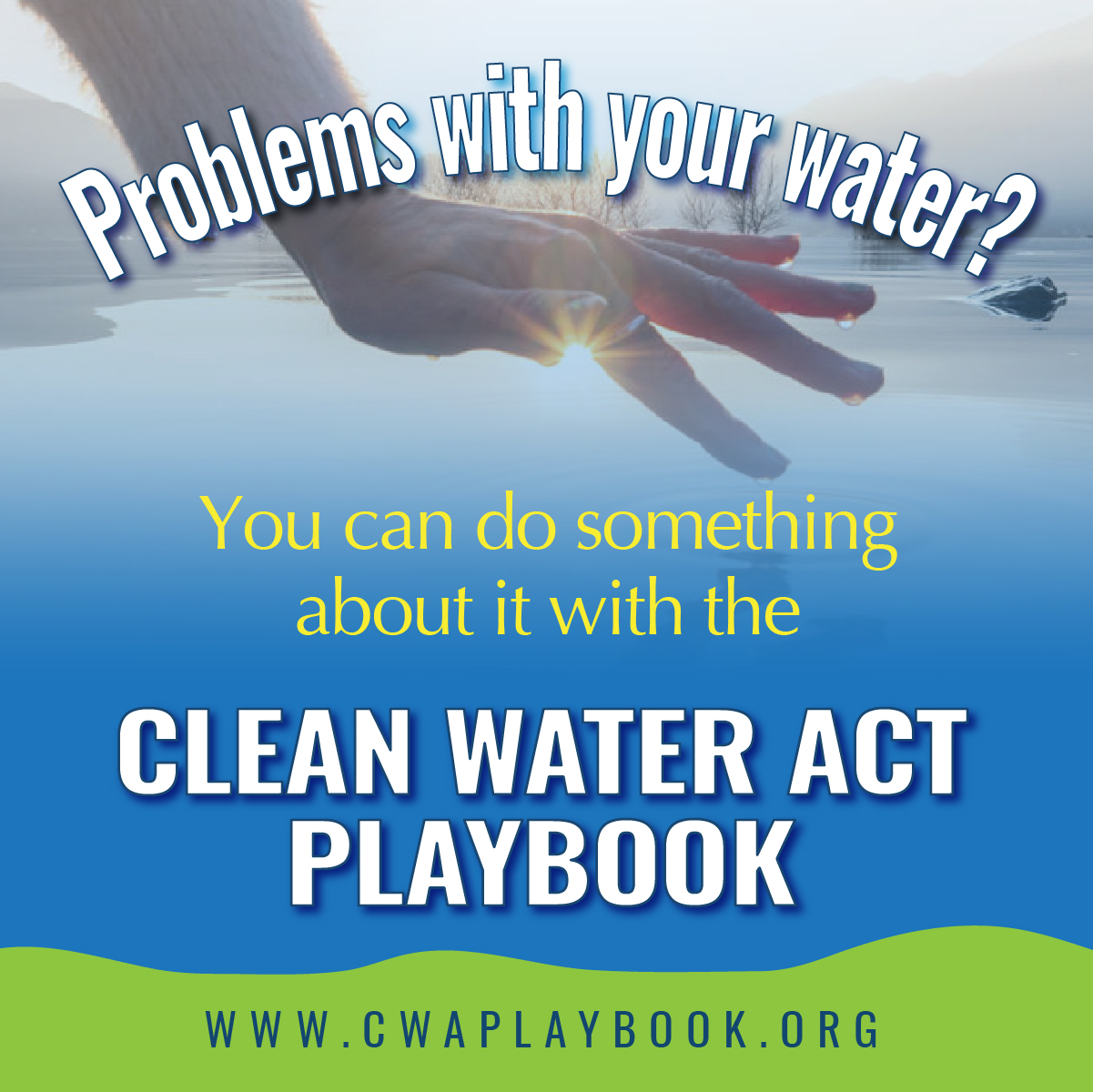 We developed the Clean Water Act Playbook for Frontline Communities for communities that have experienced and continue to experience environmental racism. It offers easy online access to the Clean Water Act’s tools and resources to enforce the law when government fails to do so. We invite you to explore the Playbook and share it with groups and communities who could benefit from this open resource.
You Can Make Difference
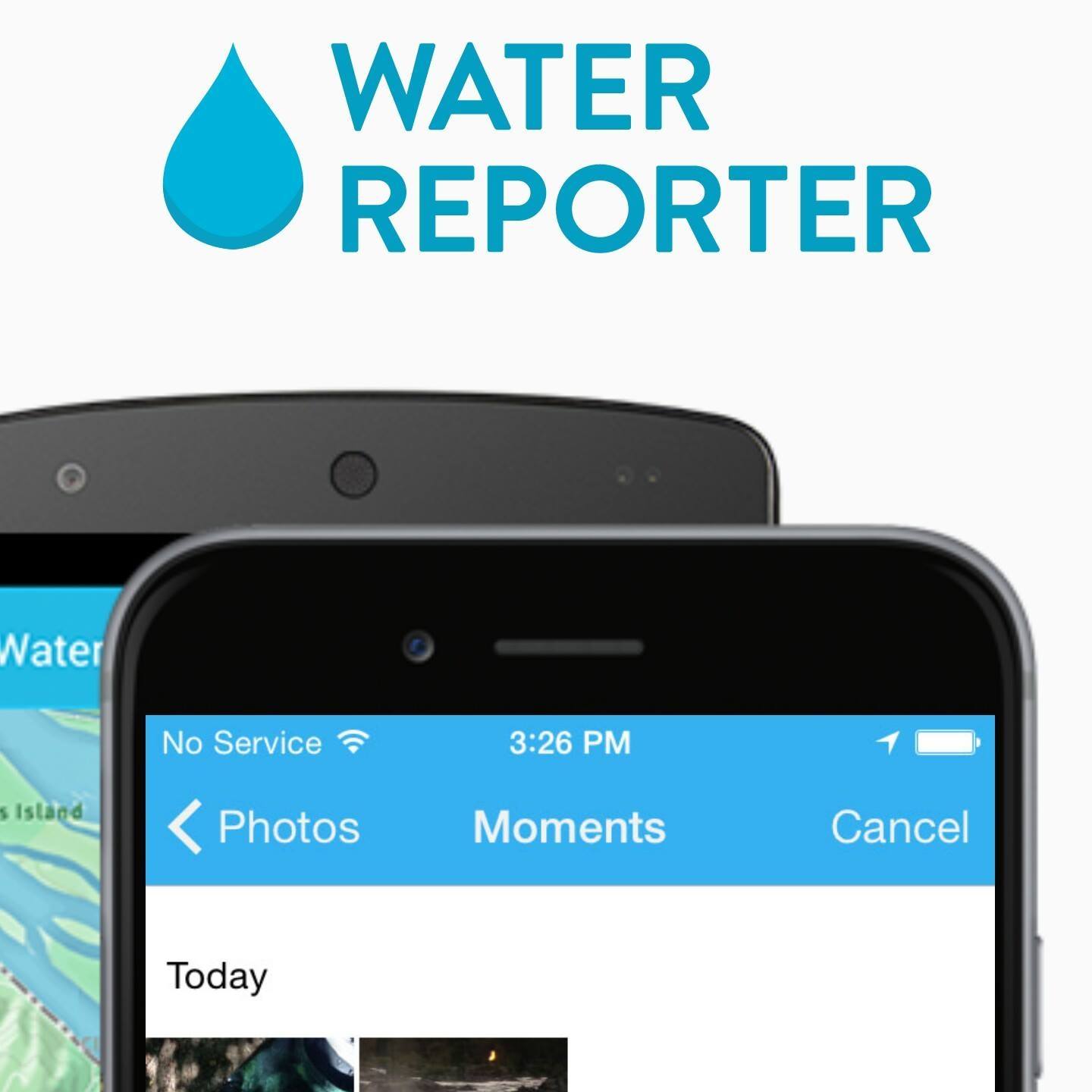 We have made it easier to find and report pollution — and to report the fun things you see and do on the river. Working with Chesapeake Commons, we developed the free Water Reporter app so you can send reports directly to your local Waterkeeper. Download it today!
 Take Swim Guide with you – wherever you go. The free Swim Guide app makes it easy to know the water quality at your beach. Several of our Waterkeepers post water quality monitoring results every week — check it out before you head to your favorite river, bay or beach.

Follow us on social media!


Waterkeepers Chesapeake fights for clean water and a healthy environment by supporting Waterkeepers throughout the Chesapeake and coastal regions as they protect their communities, rivers, and streams from pollution.
For info: www.WaterkeepersChesapeake.org or email info@waterkeeperschesapeake.org.
.jpg)
©Copyright 2023 WATERKEEPERS® Chesapeake
 EN
EN  ES
ES