
As we get close to World Water Day on March 22nd, we want to give you legislative updates for Maryland and Virginia and ask for your help to stop rollback of federal clean water protections.
Clean Water Rule
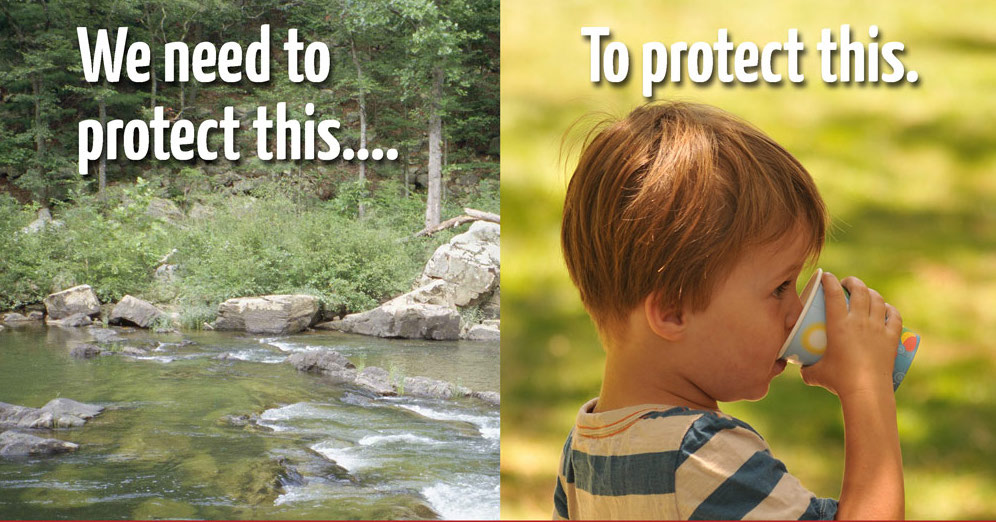 The EPA has proposed a new rule to slash Clean Water Act protections for millions of people. In a blatant giveaway to the fossil fuels industry, industrial agriculture, big developers, and other major polluters, the EPA proposes to remove up to 60% of stream miles and up to 80% of wetland acres from federal protections under the Clean Water Act that safeguard drinking water for millions of people. Clean water is essential for the health and sustainability of our families, communities and environment. Lest we forget — we all live downstream and pollution knows no boundaries. TAKE ACTION NOW: click here to submit comments directly to the EPA.
Maryland
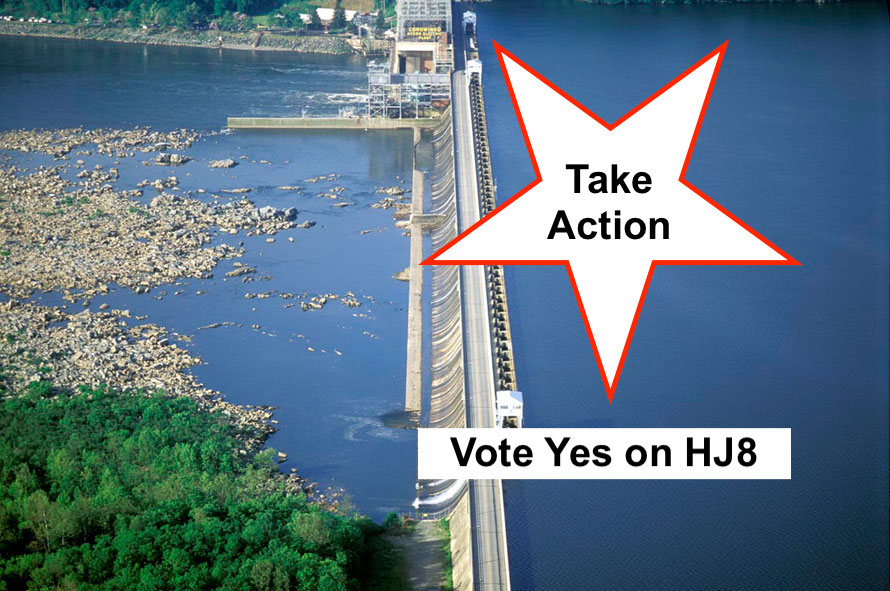 Resolution on Conowingo Dam: Our number one priority in Maryland is to pass a state resolution on Conowingo Dam. The resolution (HJ8) we drafted specifies that the Maryland General Assembly is of the view that Exelon Corporation – the private company that operates and profits from the dam — financially responsible for the costs to clean up pollution discharging from Conowingo dam sufficiently to meet state water quality standards, as well as at least 25 percent of the costs associated with the Dam’s Watershed Implementation Plan (WIP). Send an email today to let the Maryland General Assembly know that this resolution is the right thing to do. We have only one opportunity in this lifetime to get the Conowingo Dam cleanup right!
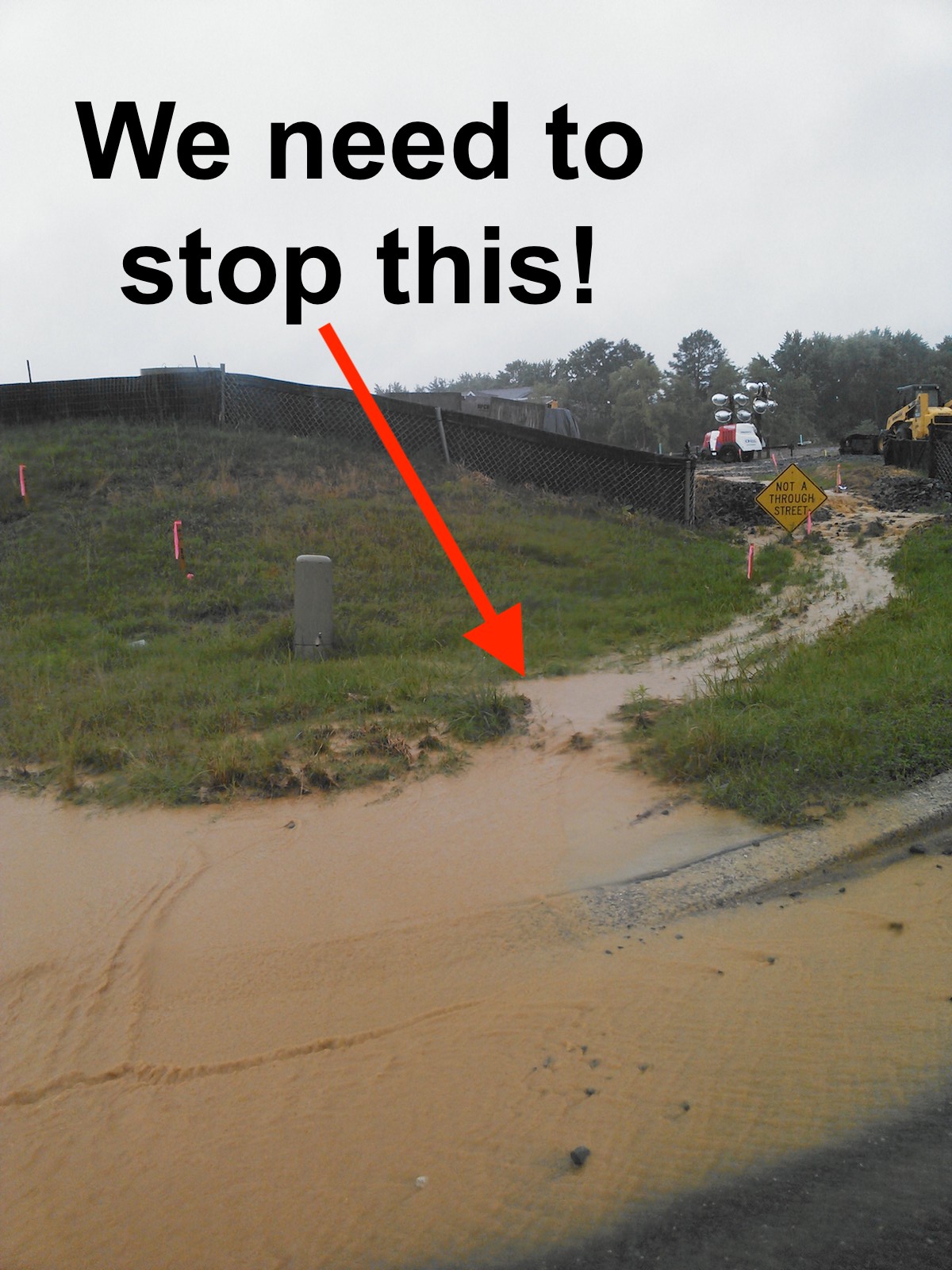 Sediment & Erosion Reporting Act: Stormwater runoff remains the fastest growing source of pollution to the Chesapeake. The largest component of stormwater runoff pollution is dirt. There are laws on the books to regulate polluted runoff, but the question is whether or not they are being enforced. South Riverkeeper Jesse Iliff has been working on the Sediment and Erosion Reporting Act (HB703) that would require better reporting and increased public transparency will provide for better accountability and, as a result, cleaner waterways. The Act has passed the House and just needs your support to pass it in the Senate. Send an email today!
Pipeline & Water Protection Act: Natural gas pipelines carrying fracked gas from other states are being proposed across Maryland – from the mountains in the west to the Eastern Shore. This expansion of fracked gas infrastructure poses significant risks to our state’s water and environment. We ask you to write to your representatives to urge support of the Maryland Pipeline and Water Protection Act (PAWPA) to protect Maryland’s waters from dirty, dangerous fracked gas pipelines.
.png) Agriculture Tracking and Improvement Act: Agriculture is the single, largest source of pollution to the Chesapeake Bay, and it contaminates local waterways. Maryland is working on solutions, but our progress is hamstrung by a lack of information and a dysfunctional permitting system. Agriculture Tracking and Improvement Act (SB 546/HB 904) would help Maryland get information currently lacking about agriculture practices, manure transport and water quality on the Eastern Shore, and it would improve transparency and fairness in the State’s industrial agriculture permitting program. It passed the Senate and now we need to get it through the House! Take Action and send an email to your Maryland representatives to urge them to vote YES on SB546/HB904.
Agriculture Tracking and Improvement Act: Agriculture is the single, largest source of pollution to the Chesapeake Bay, and it contaminates local waterways. Maryland is working on solutions, but our progress is hamstrung by a lack of information and a dysfunctional permitting system. Agriculture Tracking and Improvement Act (SB 546/HB 904) would help Maryland get information currently lacking about agriculture practices, manure transport and water quality on the Eastern Shore, and it would improve transparency and fairness in the State’s industrial agriculture permitting program. It passed the Senate and now we need to get it through the House! Take Action and send an email to your Maryland representatives to urge them to vote YES on SB546/HB904.
 Our Fair Farms campaign legislative priorities include encouraging institutions to buy more locally grown food, funding to double the value of federal nutrition benefits at farmers markets, and clarifying the Keep Antibiotics Effective Act. Check out where the bills are and see how you can take action to support these legislative initiatives.
Maryland Is Set to Ban Foam! Last week, the House of Delegates voted 97-38 to approve the legislation sponsored by Del. Brooke Lierman. Now with approval from both chambers, Maryland is set to become the first state in the country to ban polystyrene foam food containers and cups.
Virginia
Safe Disposal of Coal Ash – The good news in Virginia is that the Governor will soon be signing into law a bill (SB 1355) to safely dispose of 28 million tons of toxic coal ash Dominion Energy now has stored on the banks of the Potomac, James and Elizabeth Rivers. Potomac Riverkeeper Network and James Riverkeeper have worked for the past 5 years with local communities and legislators to fight Dominion’s plan to cap-in-place. Now this bill requires all legacy coal ash in the Commonwealth be recycled or safely landfilled within 15 years, rather than left in the current dangerous and leaking coal ash ponds.
World Water Day – March 22nd
Every day is World Water Day for Watekreepers! We ask that you consider making a special donation to honor the work our Waterkeepers do everyday to protect your right to clean water!
Thank you!

Betsy Nicholas
Executive Director
WATERKEEPERS® Chesapeake
 10% of sales of each glassbaby “chesapeake” hand-blown candle holder is donated to Waterkeepers Chesapeake! Buy one today!
 We have made it easier to find and report pollution — and to report the fun things you see and do on the river. Working with Chesapeake Commons, we developed the free Water Reporter App so you can send reports directly to your local Waterkeeper! Download it today!
 Take Swim Guide with you – wherever you go! The free Swim Guide app makes it easy to know the water quality at your beach. The 7,000 freshwater and marine beaches and swimming sites on the Swim Guide app and website make finding clean, swimmable water simple.
Follow us on social media!


Waterkeepers Chesapeake is a coalition of nineteen independent programs working to make the waters of the Chesapeake and Coastal Bays swimmable and fishable. Waterkeepers Chesapeake amplifies the voices of each Waterkeeper and mobilizes these organizations to fight pollution and champion clean water. The members of Waterkeepers Chesapeake work locally, using grassroots action and advocacy to protect their communities and their waters.
For info: www.WaterkeepersChesapeake.org or email info@waterkeeperschesapeake.org.
©Copyright 2019 WATERKEEPERS® Chesapeake
 EN
EN  ES
ES